Selected Works
Enlighted & Re-Enlightment (2022–2024)
Light Sculpture · Vetrarhátíð & Elliðarstöð
Two landmark light sculptures — one answering Reykjavík's wish for light in the darkest winter days, the other a permanent installation transforming industrial architecture into a living canvas. M.A.P. with Litten Nystrøm.
+ Details
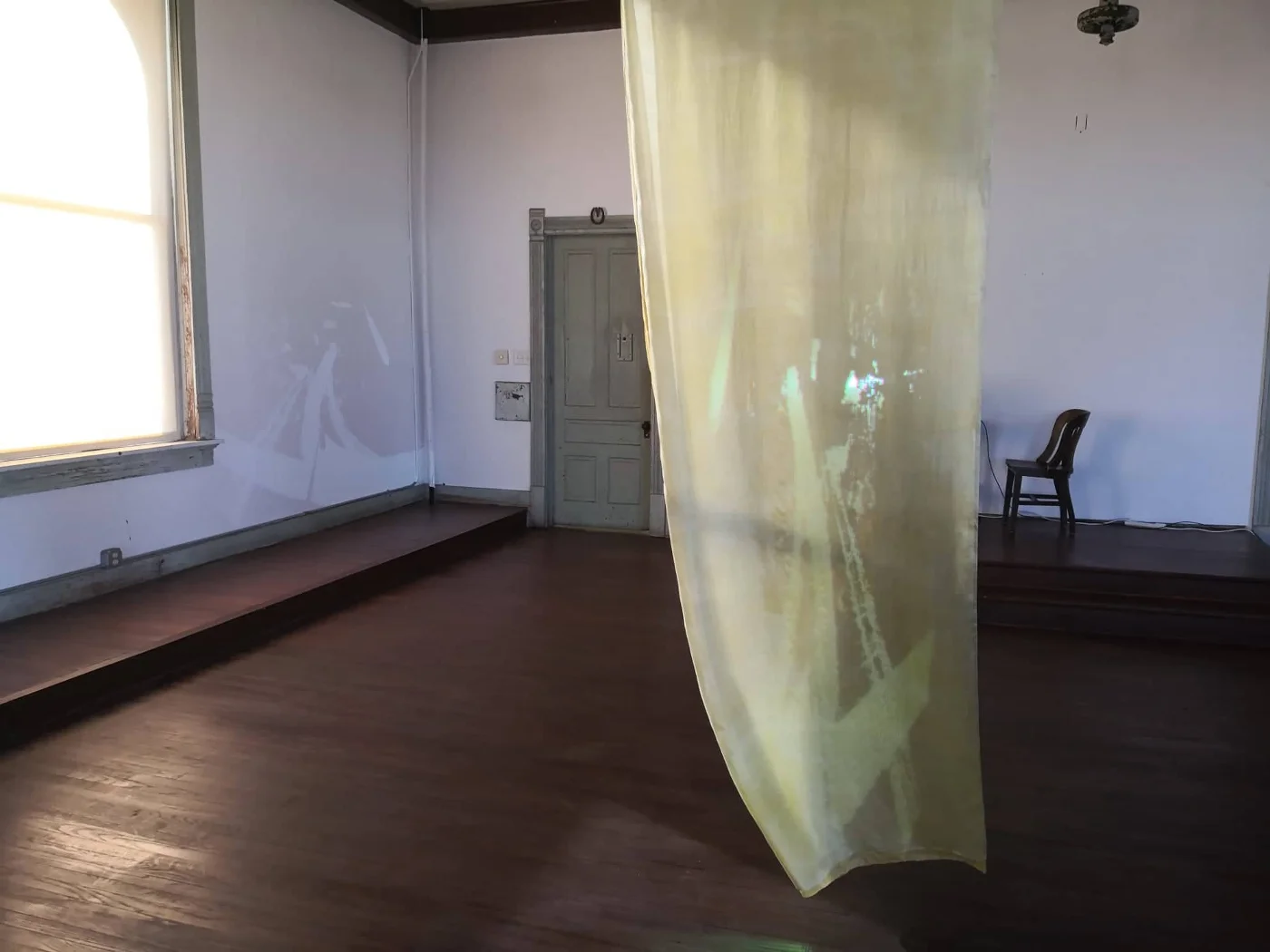
Immaterial (2023)
Open Studio Exhibition · Corsicana, Texas
An extremely light-sensitive camera at the intersection of 3rd Avenue and Beaton Street, processed with Max/MSP until objects became so abstracted their forms were unrecognizable — what remains is a record of kinetic energy, an extended transference of light. With Litten Nystrøm.
+ Details
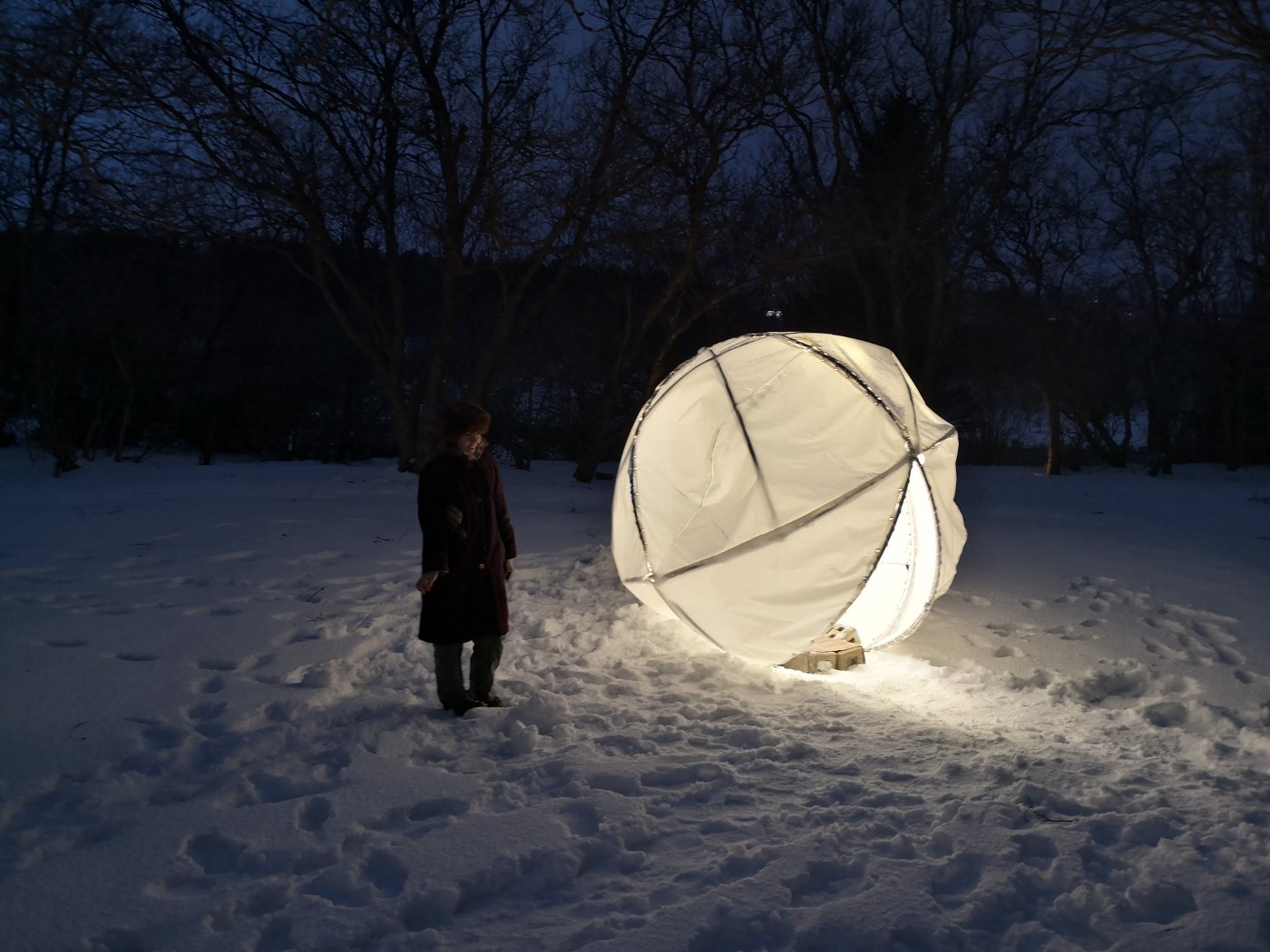
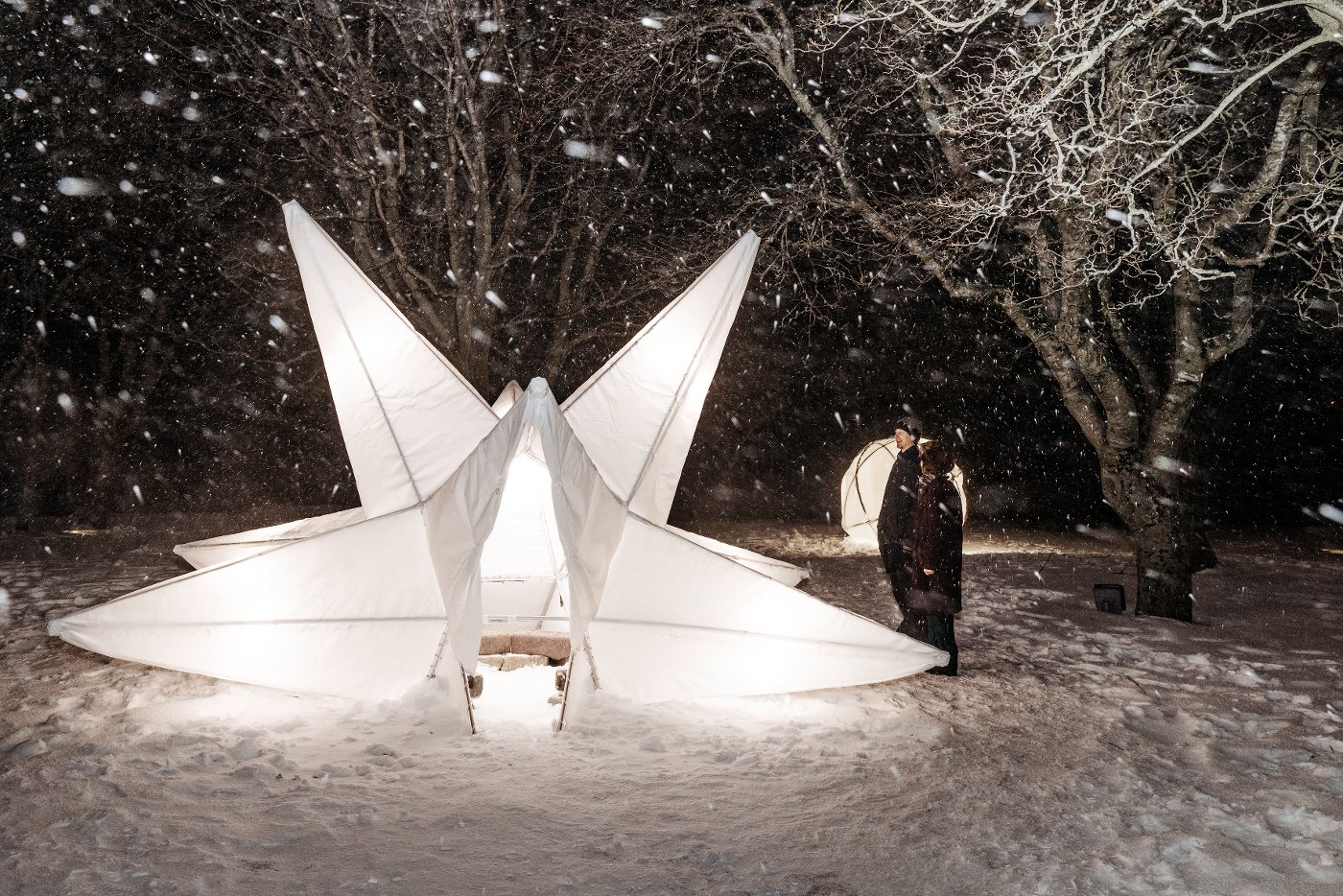
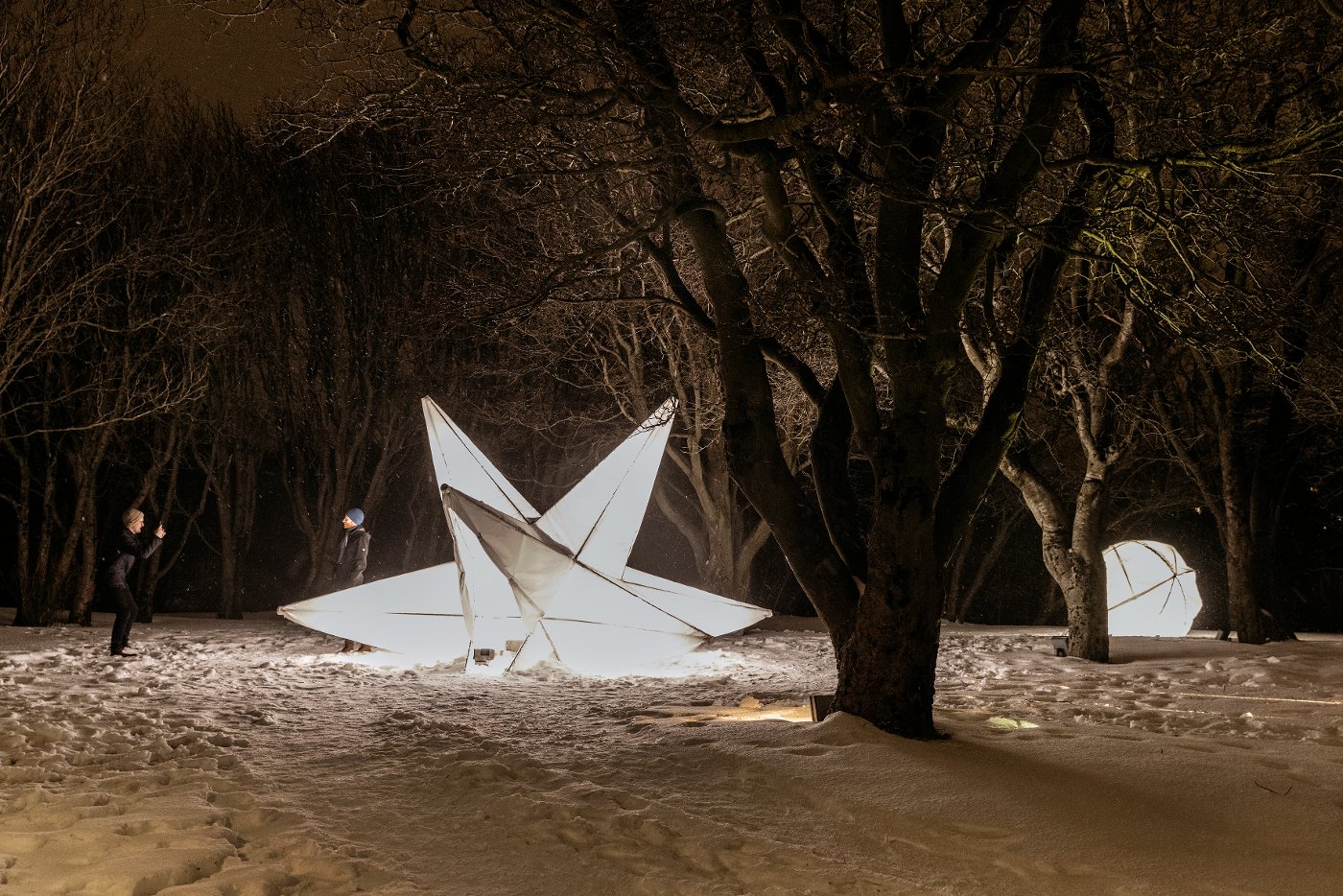
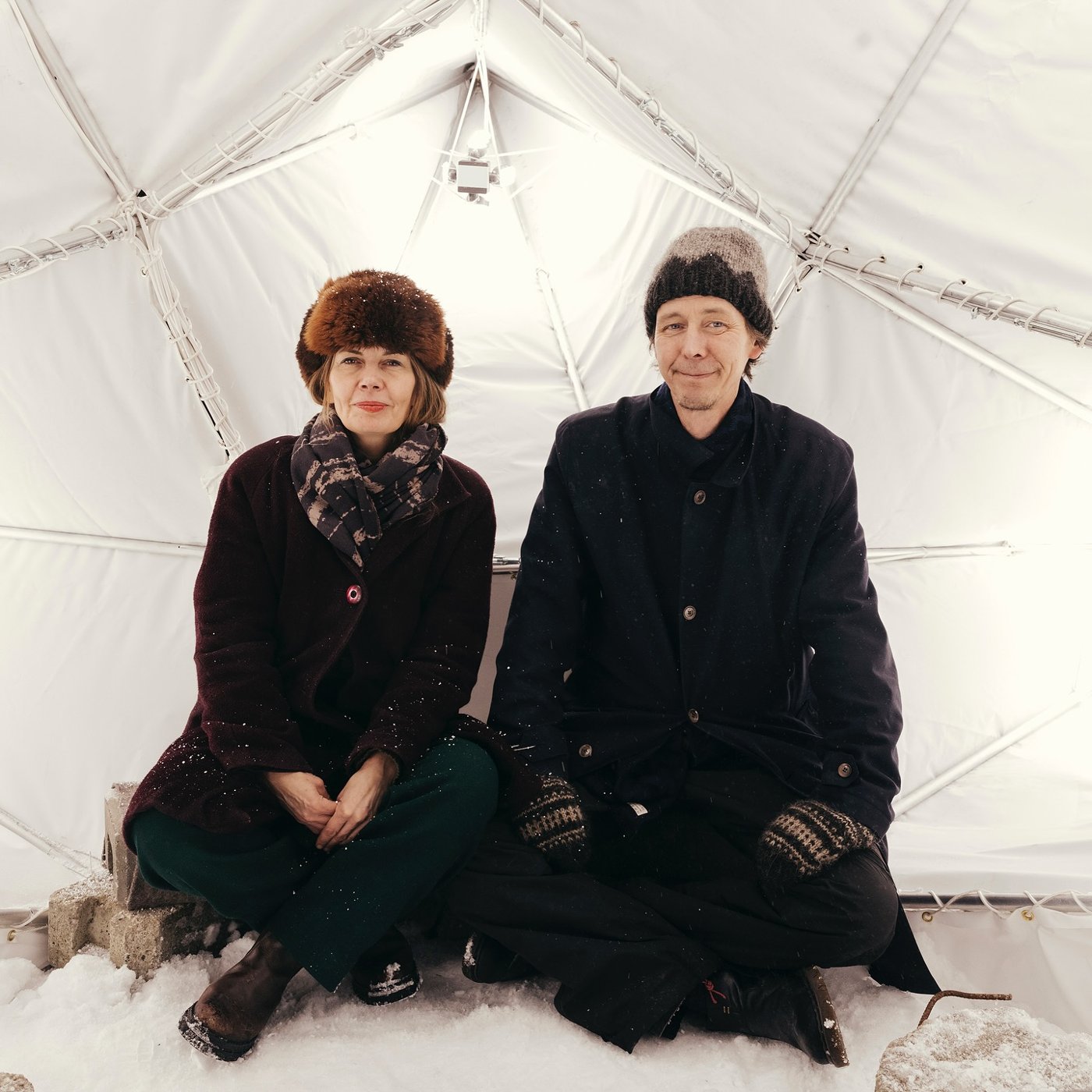
Originally commissioned for the Vetrarhátíð (Winter Lights Festival), this light sculpture underwent a major evolution. In its 2024 Re-Enlightment phase, the installation was permanently acquired by Veitur and installed at the Elliðarstöð power station.
The work physically manifests the concept of energy flow, using programmable light sequences to transform industrial architecture into a breathing, pulsing entity.
M.A.P. — a collaboration with Litten Nystrøm.
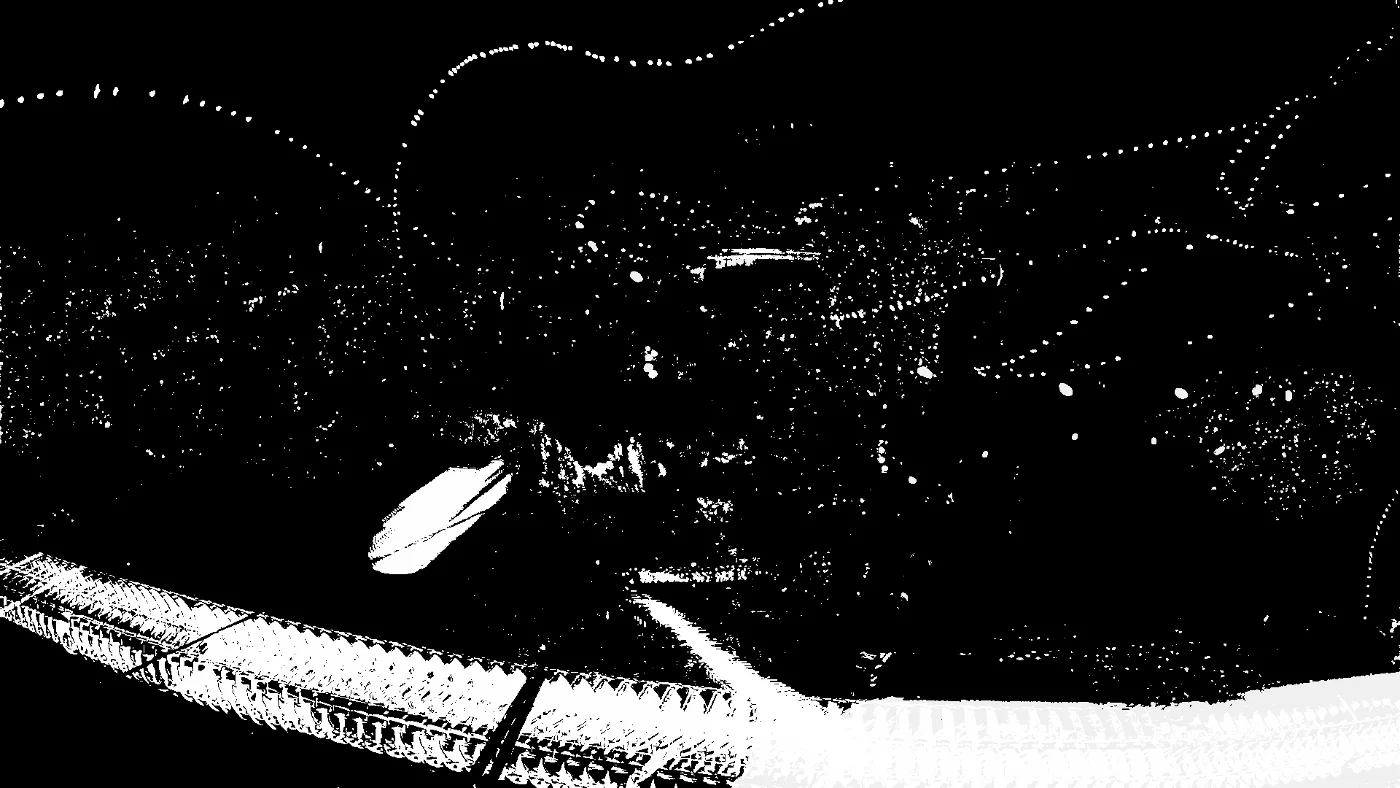
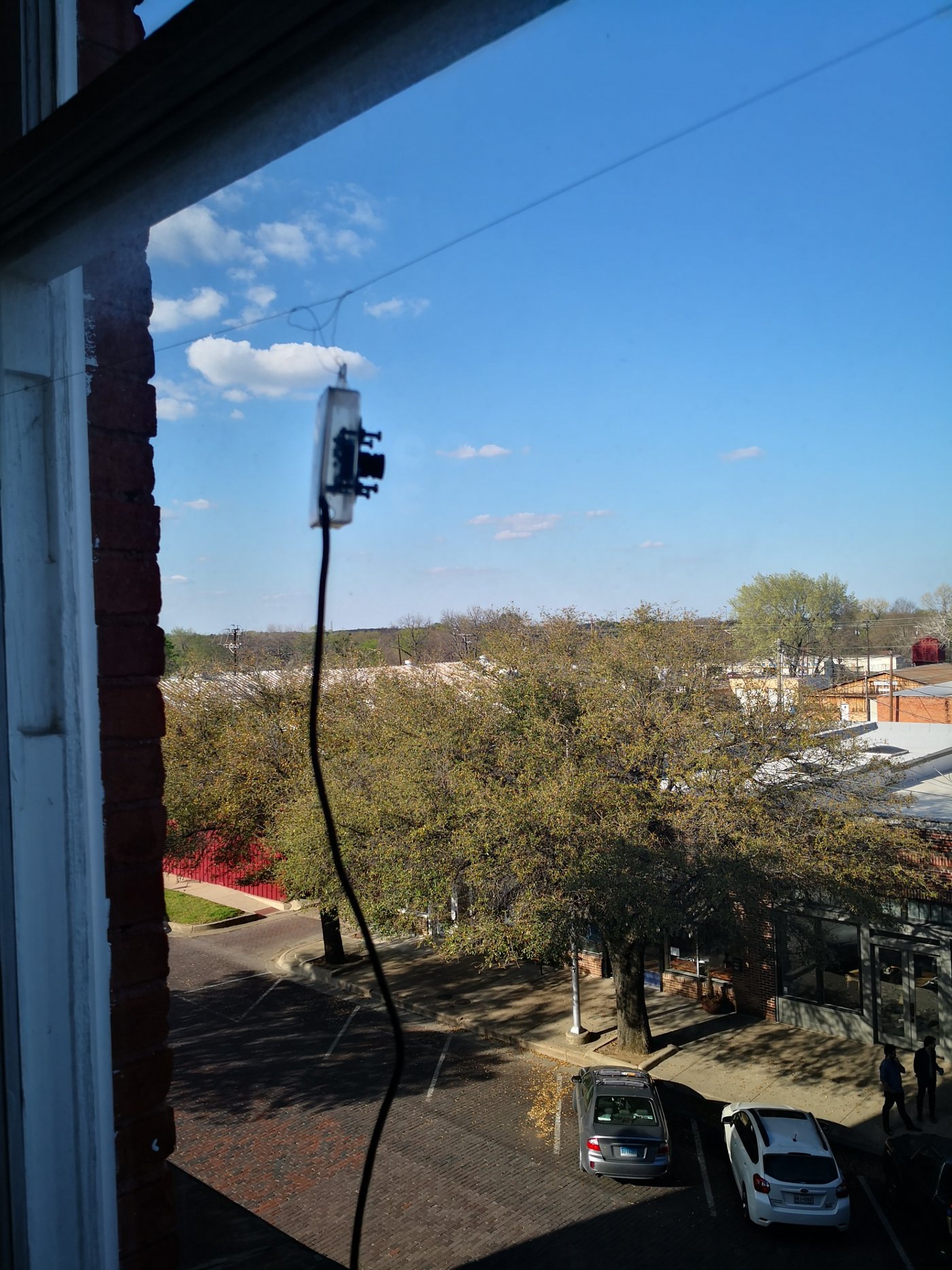
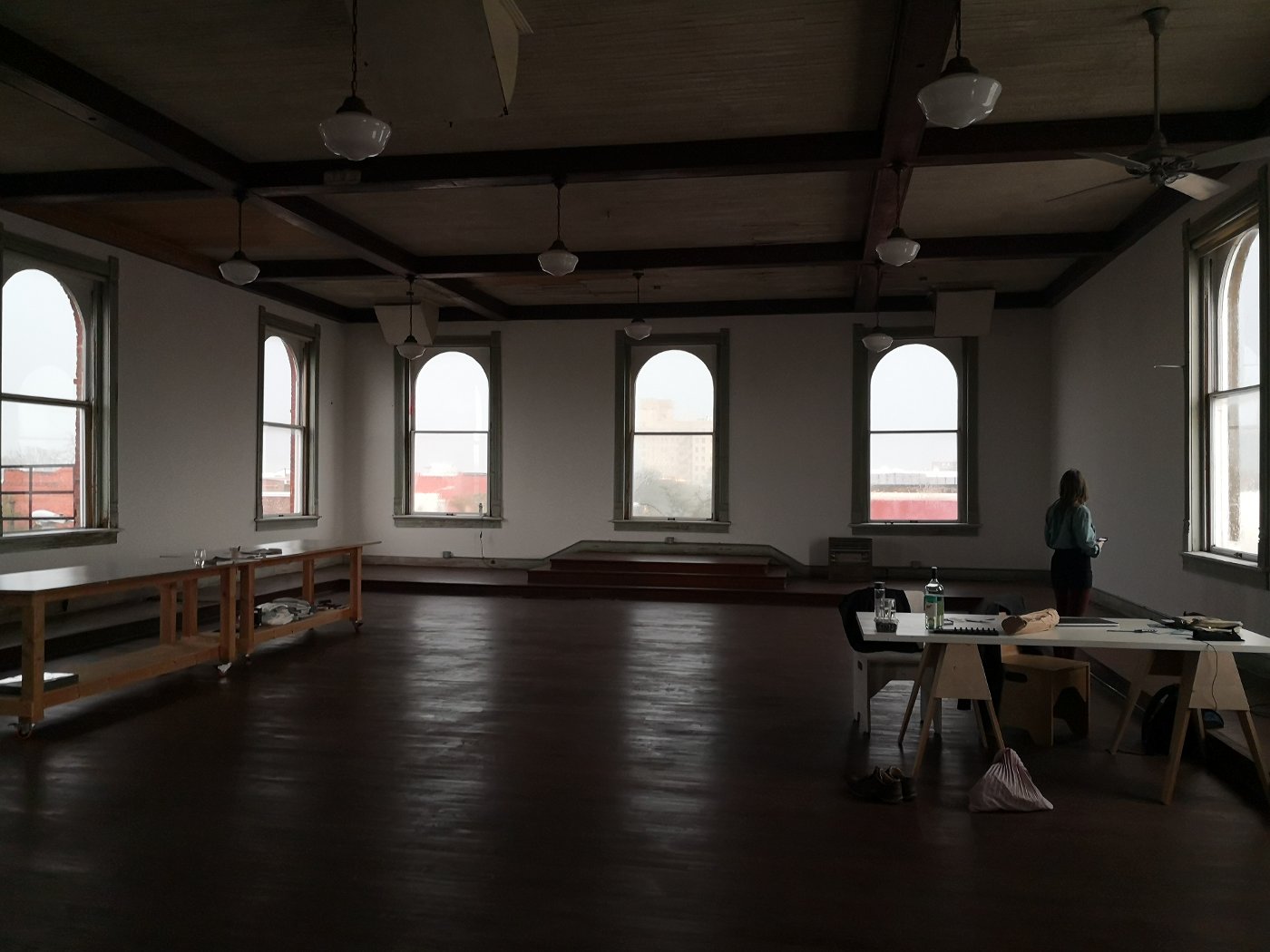
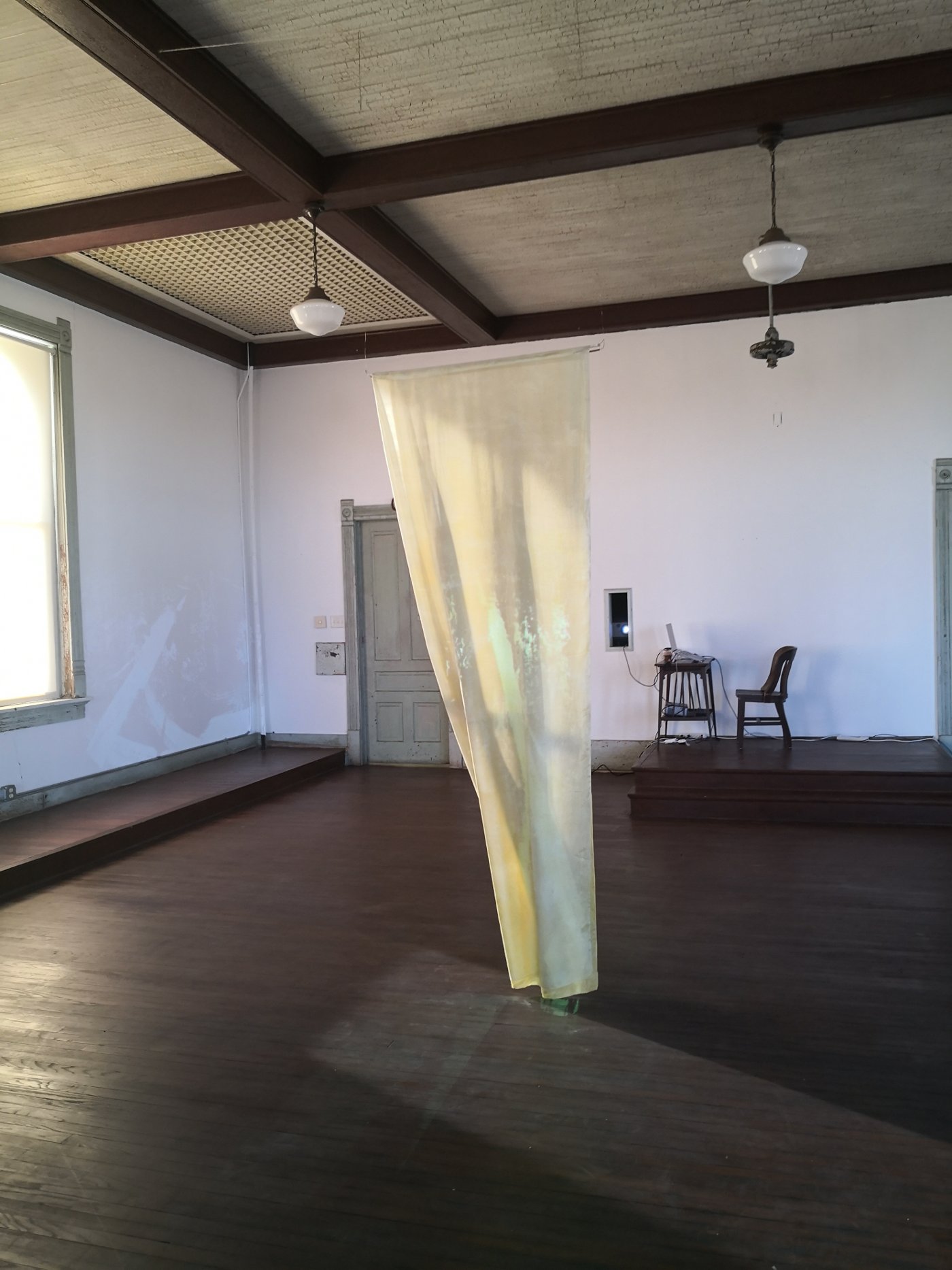
Created during a residency in Corsicana, Texas, Immaterial is a collaborative exploration with Litten Nystrøm under the M.A.P. Studio umbrella. The work investigates the delicate boundary between physical presence and digital memory.
By utilizing multi-layered projections, the physical environment of the Texas landscape is abstracted into ethereal, shifting textures, challenging the viewer's perception of what is solid and what is merely light.
Interference (2021)
Interactive Projection Mapping · Hallgrímskirkja
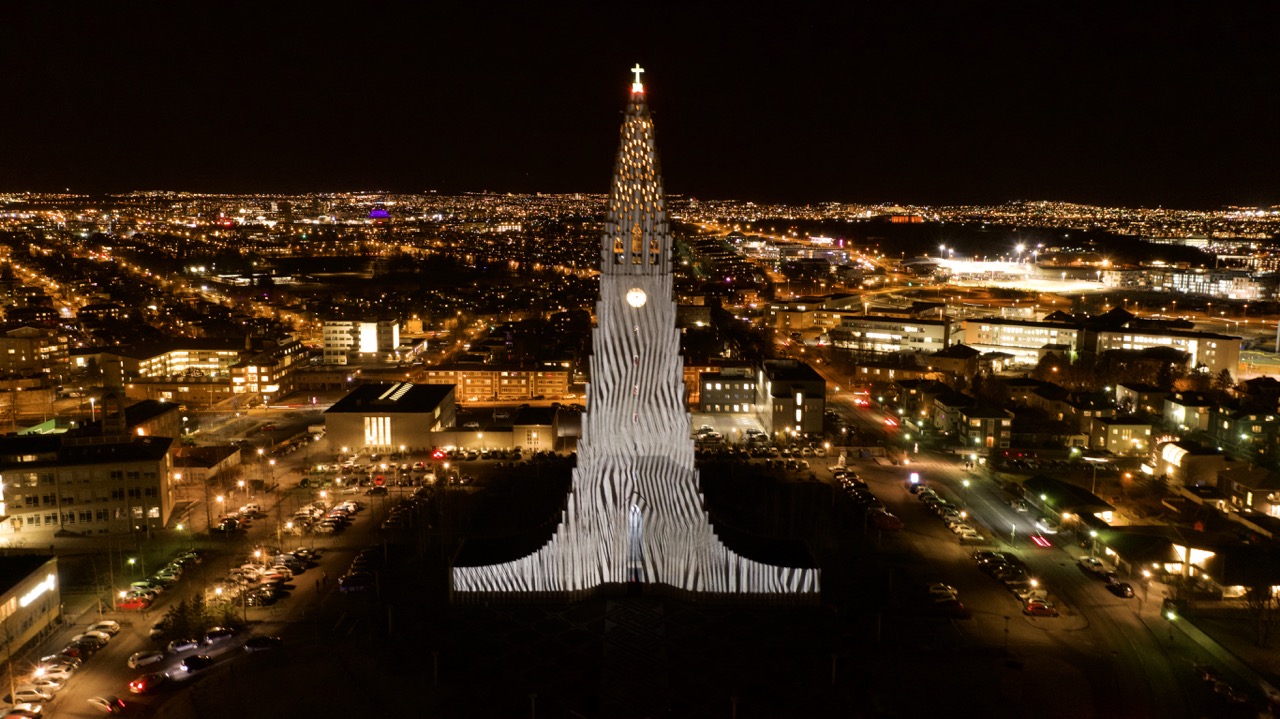
Projected on Hallgrímskirkja for Vetrarhátíð. The work senses movement from the audience and the environment, animating the church's basalt-column-inspired architecture. Hidden patterns emerge — playing with permanence and transience, reality and perception. M.A.P. with Litten Nystrøm.
+ Details
Multiverse (2022)
Improvised A/V Performance · RAFLOST Festival
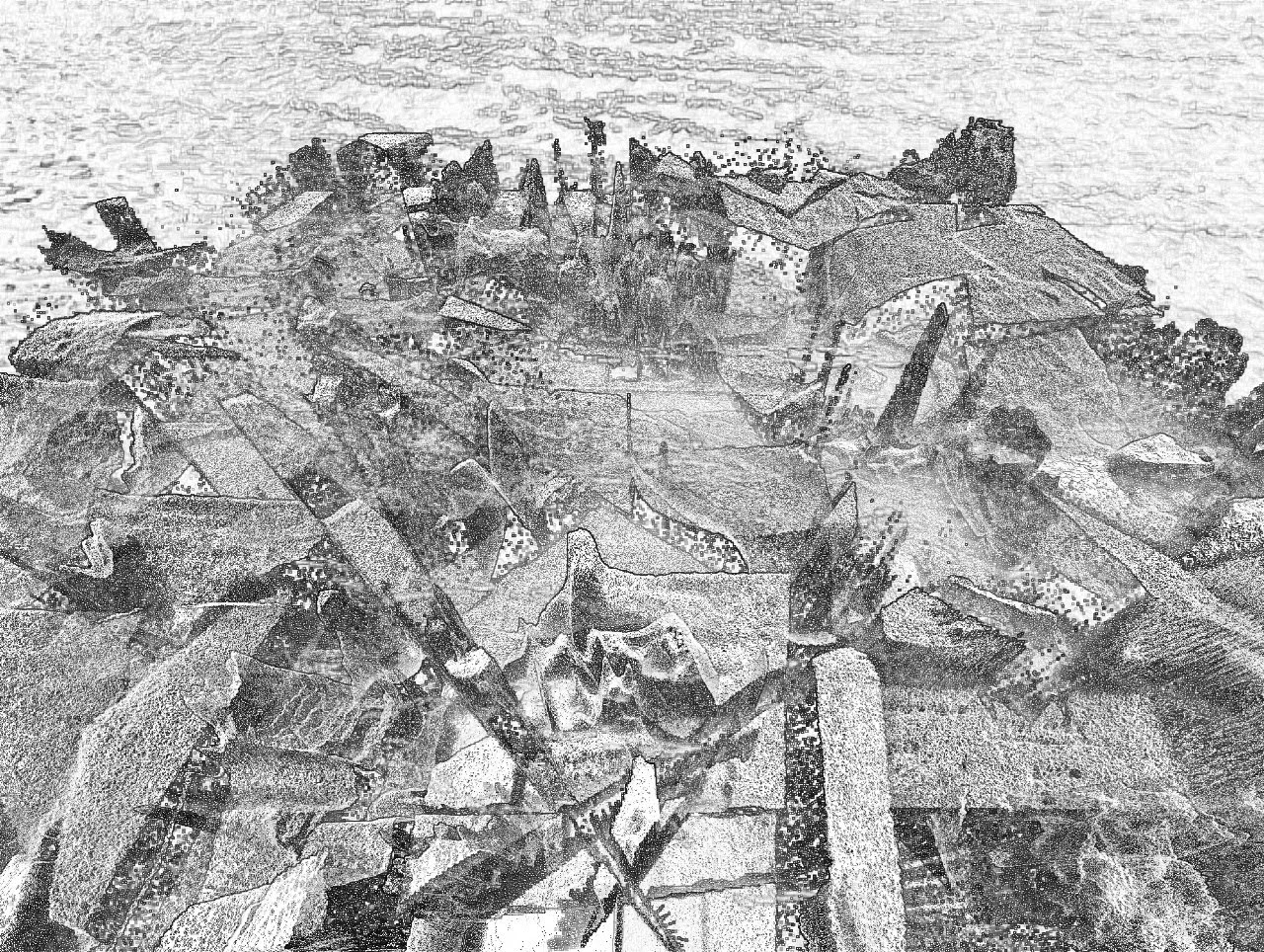
M.A.P. — a shared platform fusing tactile material and electronic art. Challenging our idea of space and reality to reveal a world beyond our sensory limitations. Gallery Mengi, Reykjavík.
+ Details
Projected onto the iconic façade of Hallgrímskirkja for Vetrarhátíð (Reykjavík Winter Lights Festival).
The installation uses sensors to detect movement from the audience and the surrounding environment, animating the church's basalt-column-inspired architecture in real time. Hidden patterns emerge and dissolve — playing with permanence and transience, reality and perception.
A M.A.P. collaboration with Litten Nystrøm.
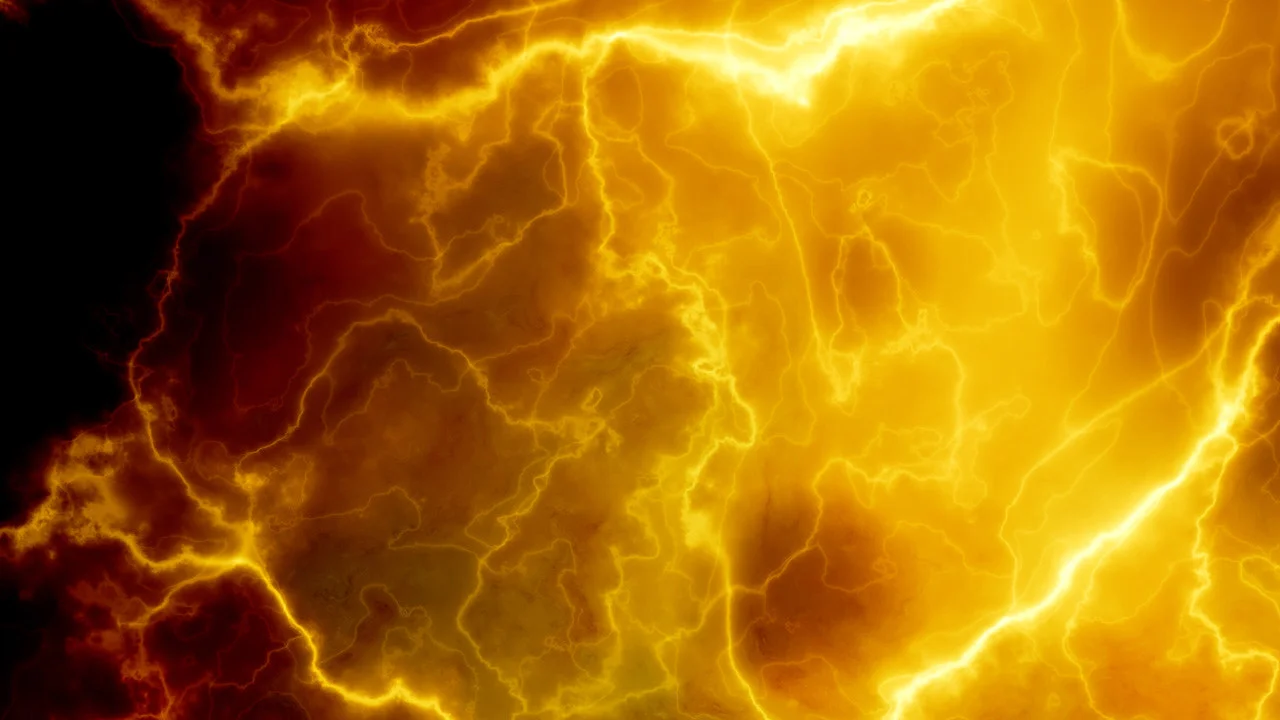
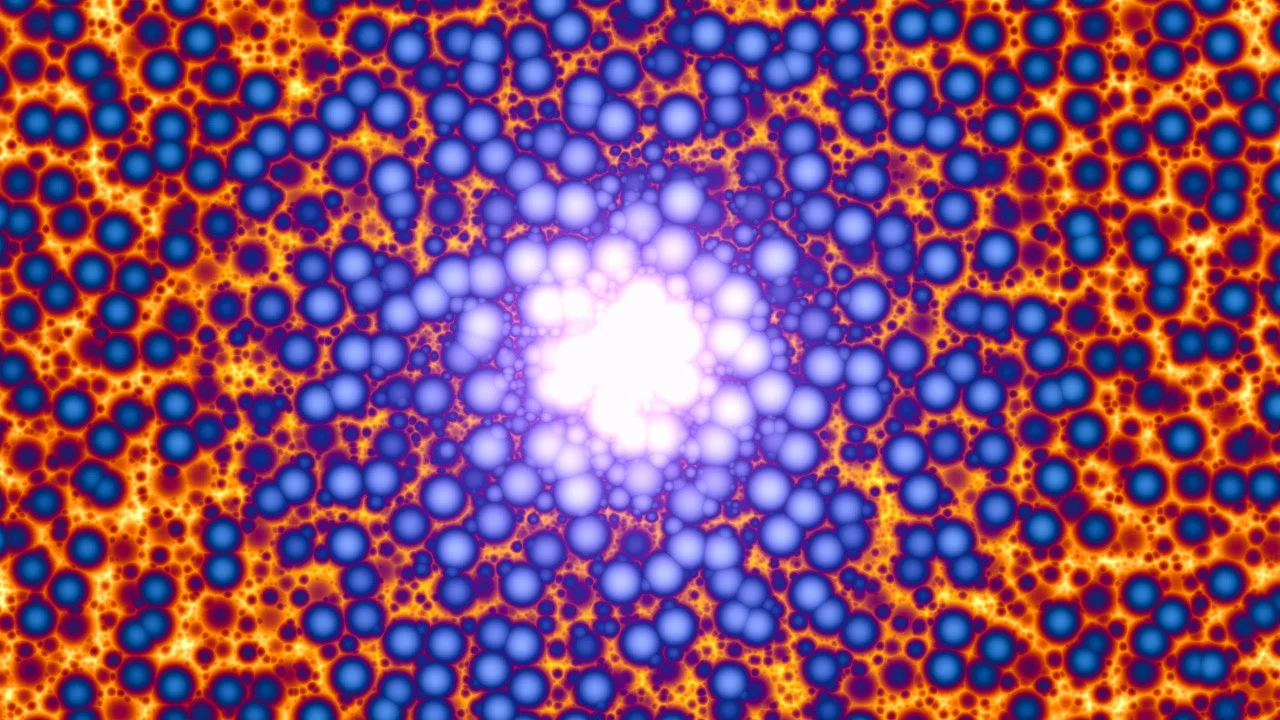
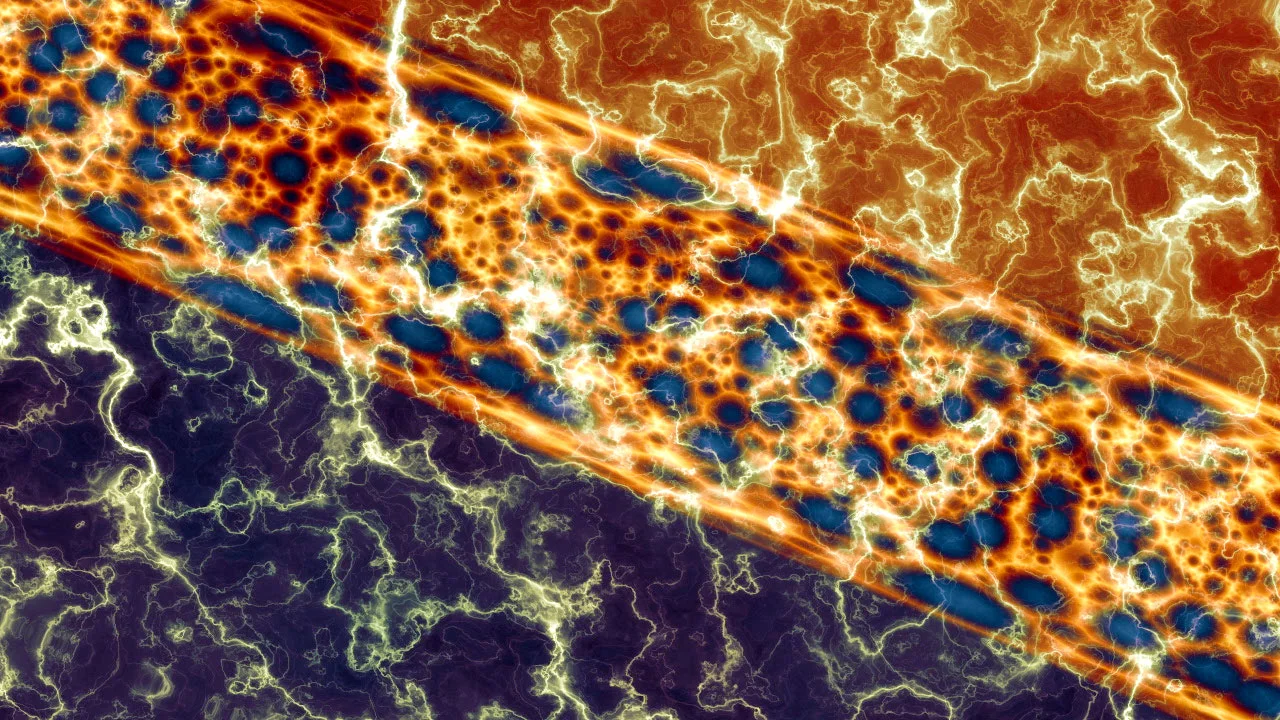
Improvised audiovisual performance at Gallery Mengi, Reykjavík, as part of the RAFLOST Festival for electronic music and visual arts.
M.A.P. — a shared platform fusing tactile material and electronic art. Real-time generative visuals synchronized with live sound performance, challenging our idea of space and reality to reveal a world beyond our sensory limitations.
IVCP & Café9.net (2000)
Interactive Net-Art · Hafnarhús
Pioneering cross-border interactive audiovisual concerts connecting 9 European cities using Triple ISDN, homemade sensors, and real-time network data.
+ Details
Brain (2014)
Video Installation · Gallery Atopia, Oslo
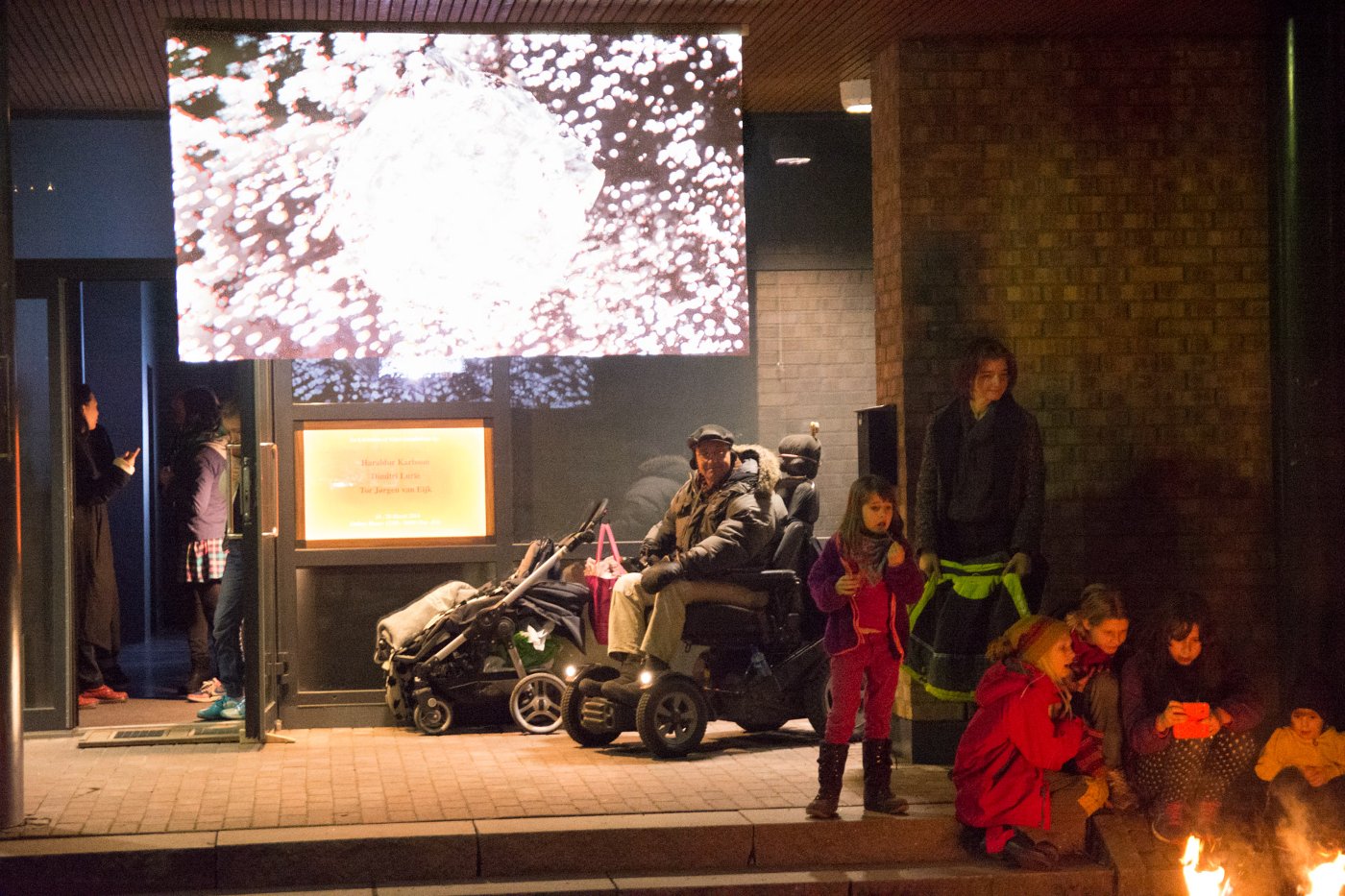
The major public debut of the ongoing Brain Project. A poetic, choreographic voyage through the physical architecture of the human brain using clinical MRI data.
+ Details
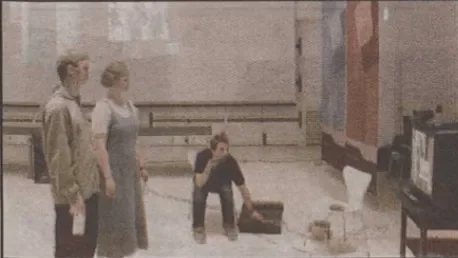
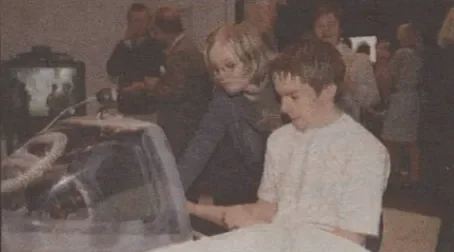
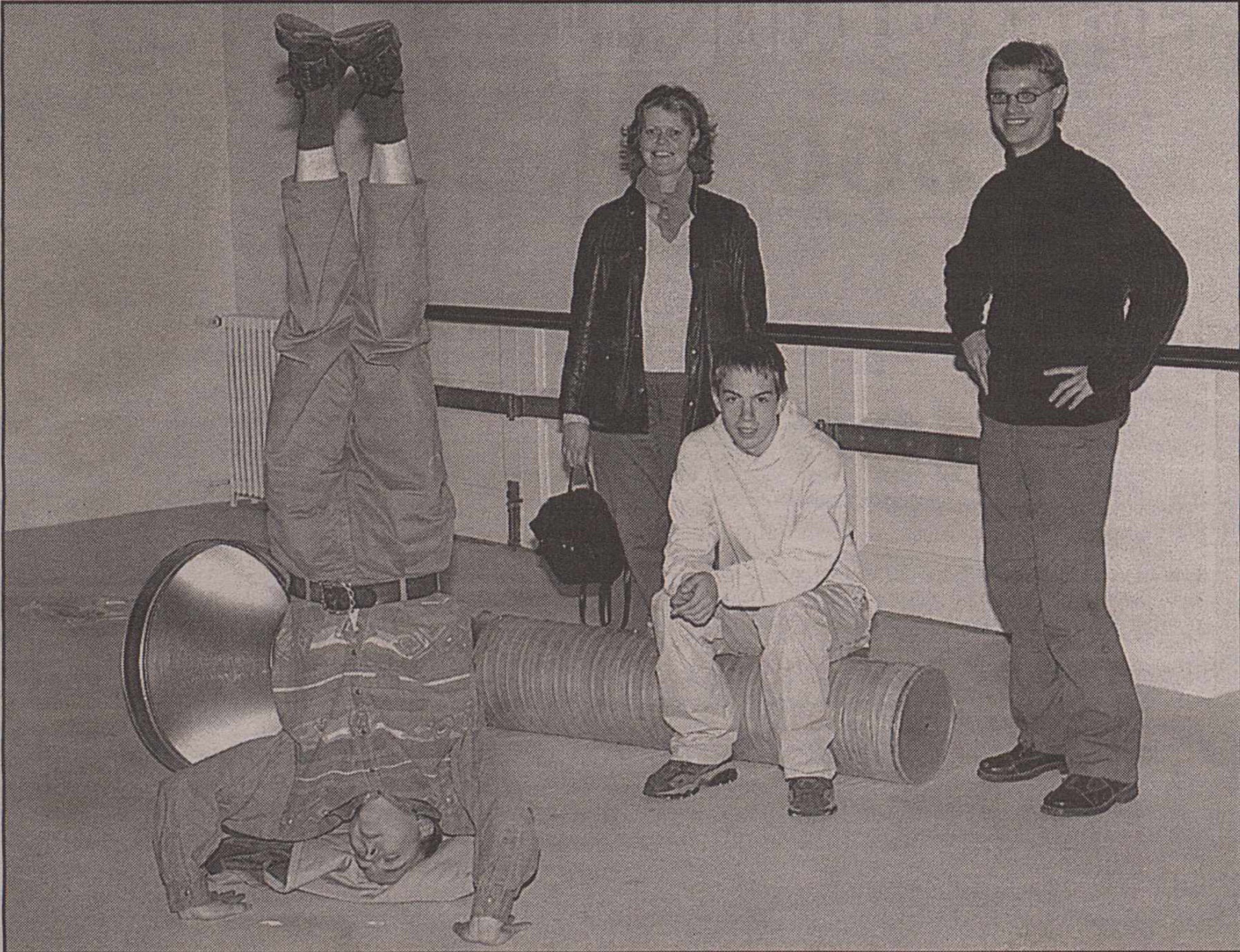
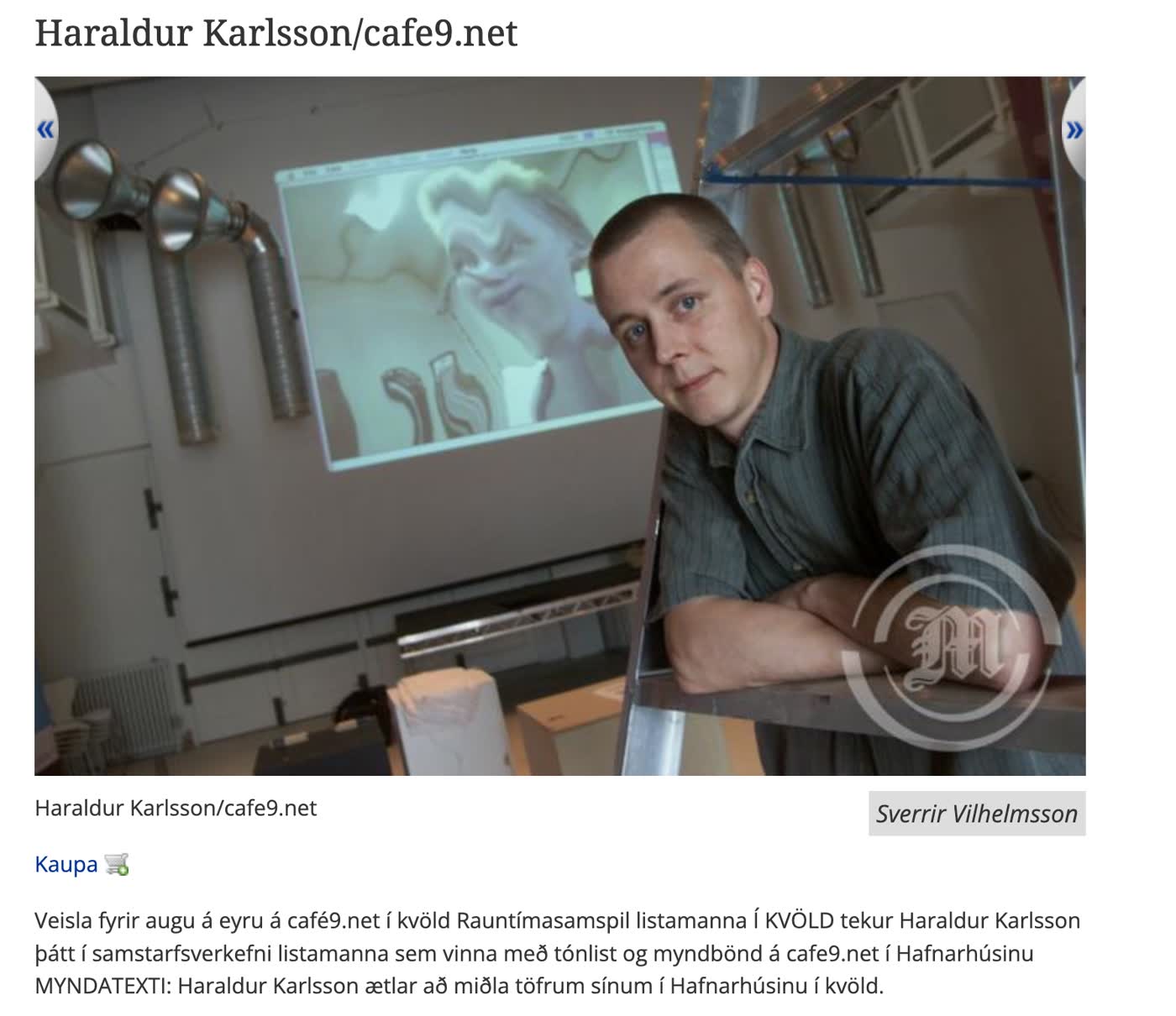
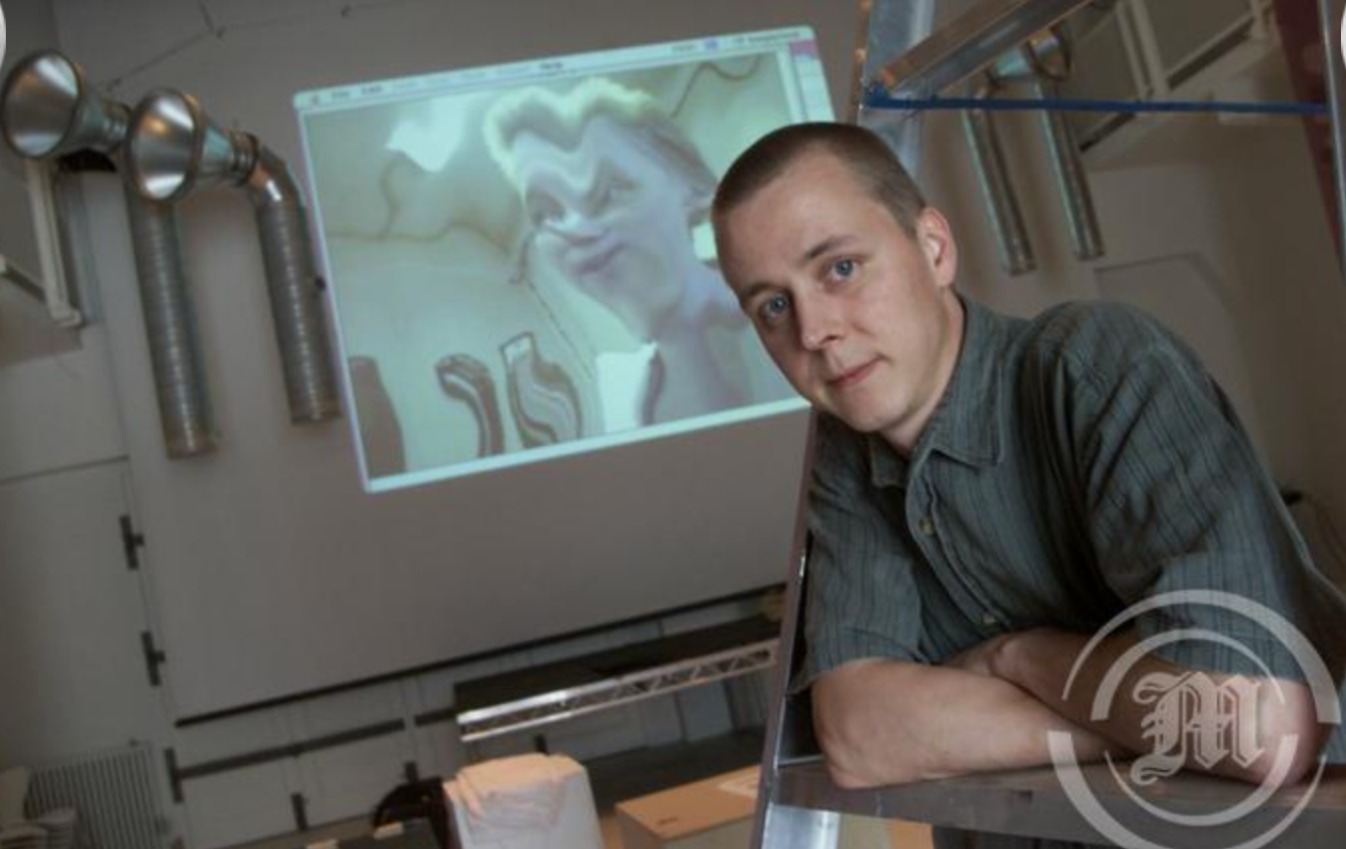
The IVCP (Interactive Video Communication Project) was a monumental cross-border initiative connecting 9 European Cities of Culture in the year 2000. Operating out of the Hafnarhús in Reykjavík, the project utilized early ISDN technology and custom-built digitizers.
It wasn't just a broadcast; it was a live, interactive communication space where digital environments were shared and manipulated in real-time across the continent, long before modern broadband video conferencing existed.
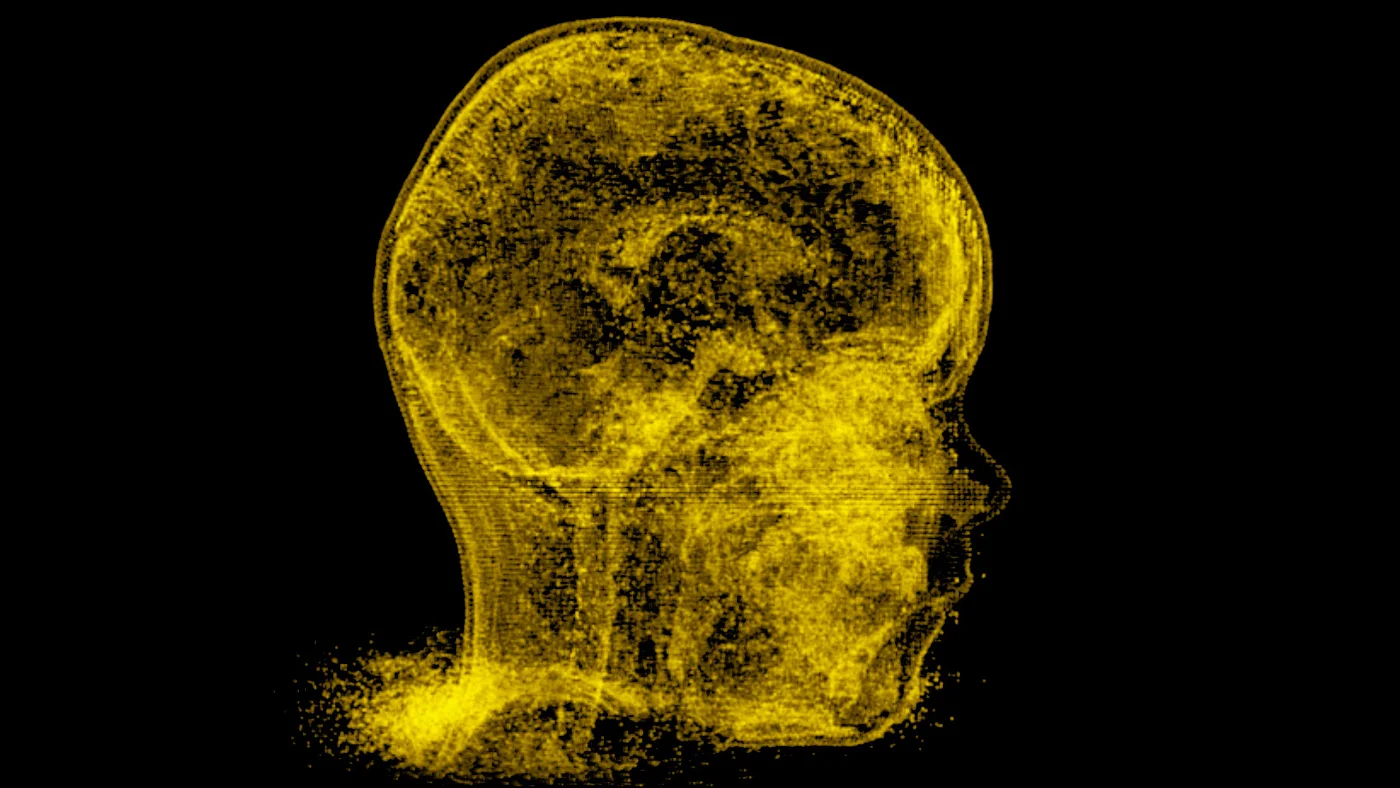
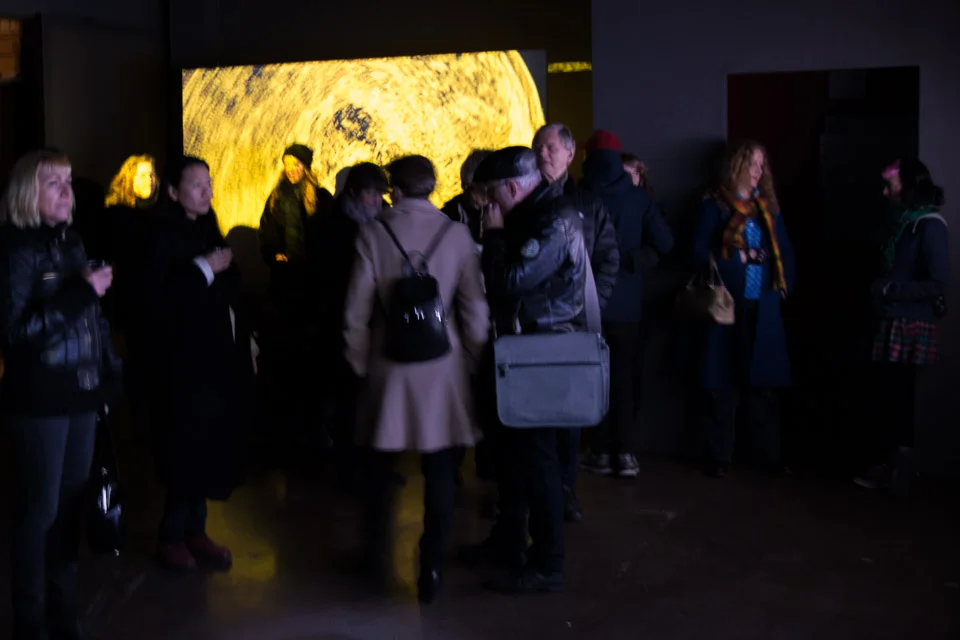
Originating from clinical MRI scans of his son's brain, Haraldur utilized scientific software to isolate the thickness of the brain's pulp. By manipulating this exact scientific data with digital technologies, the concrete medical imagery was transformed into an abstract, living structure of the microcosm.
This exhibition laid the groundwork for a decade of international exhibitions investigating the inner spheres where external stimuli are processed into knowledge and awareness.
View project →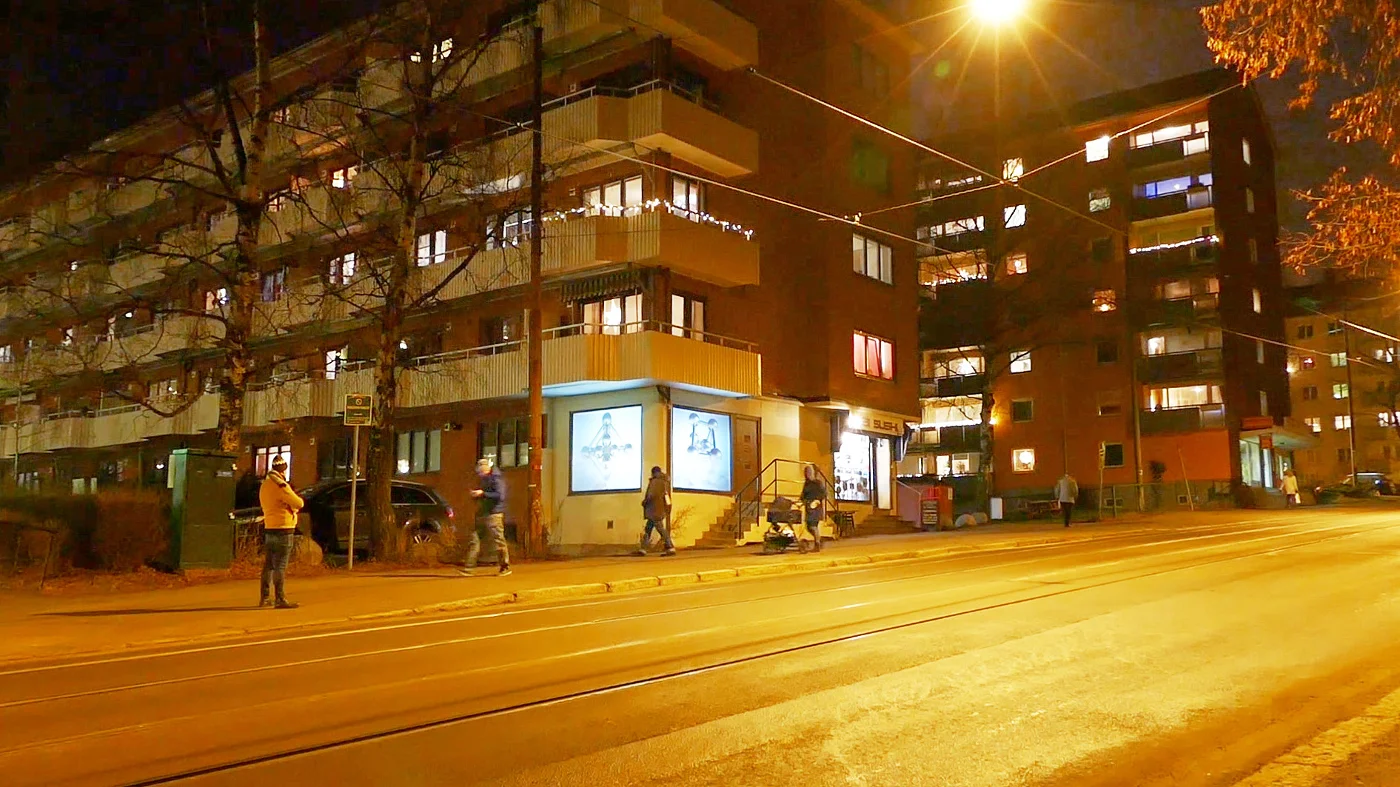
Shapes of Reality (2015)
Double-Screen Installation · Oslo
A synchronized double-screen installation applying the mathematical notion of a Hypercube into a basic geometrical shape — creating a dynamic flow of light and texture in constant motion.
+ Details
Hljóðs bið ek (2014)
Live Visual Instrument · AJO Ensemble, Counterpoint Project
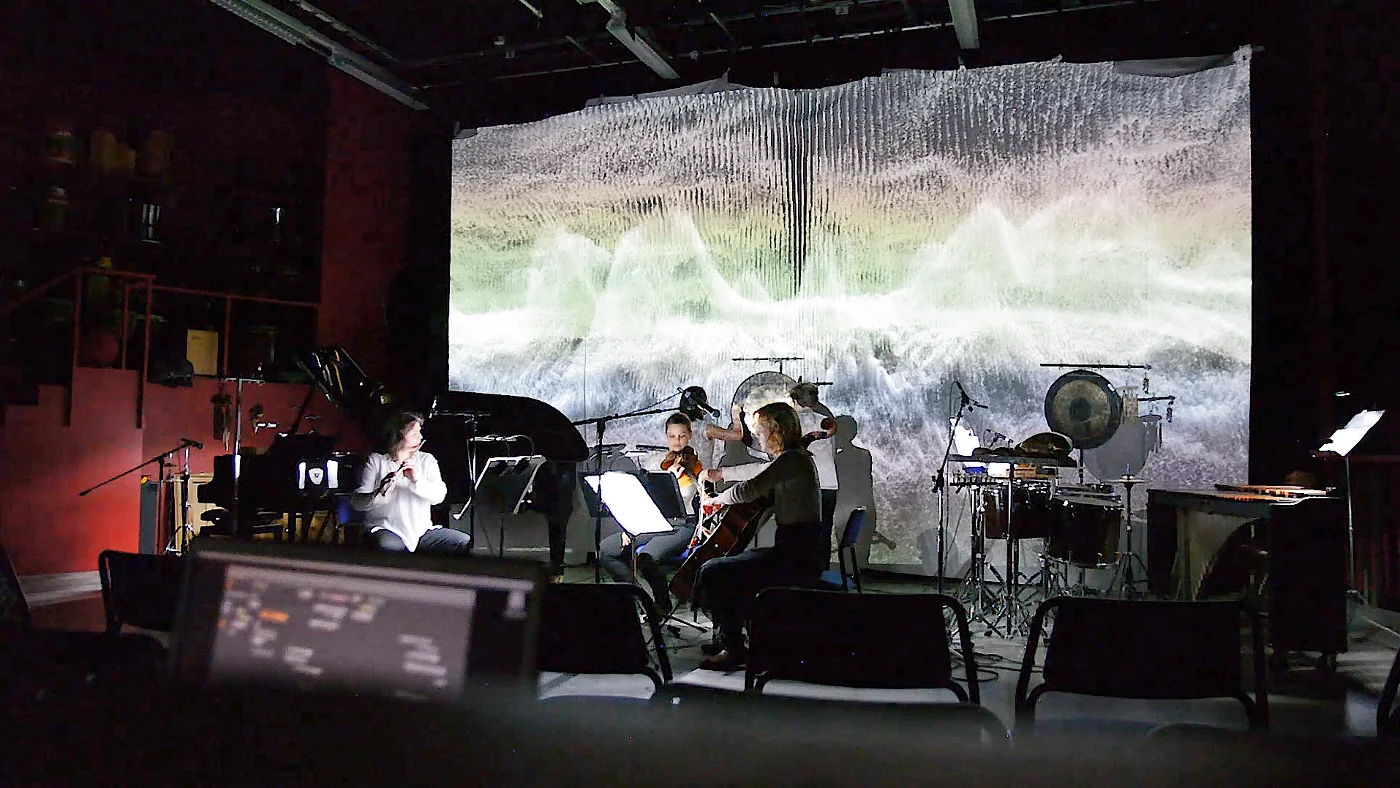
Custom Max/MSP software and live video for the AJO Ensemble's Counterpoint Project tour — a reactive visual instrument visualizing the time and space of the Norse poem Völuspá, tuned to the live musicians.
+ Details
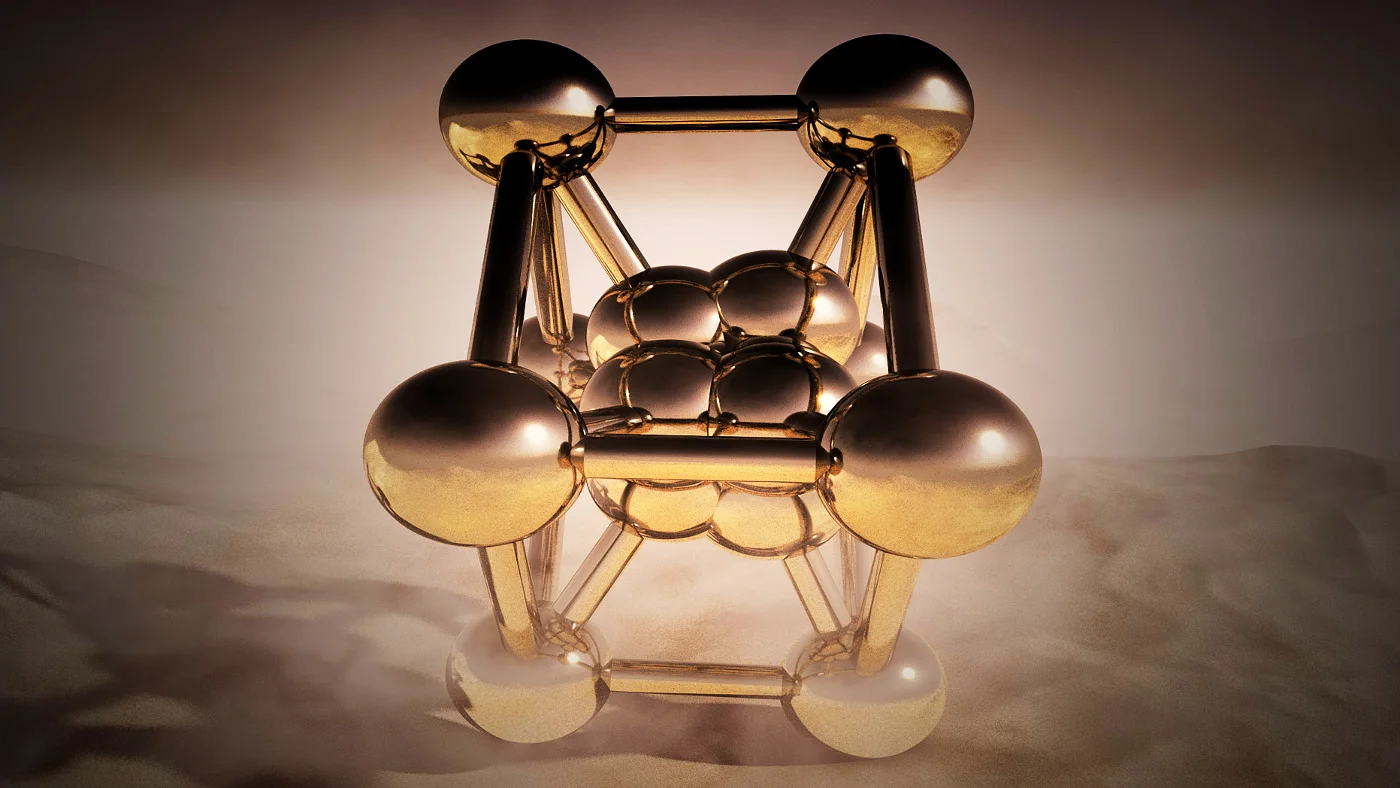
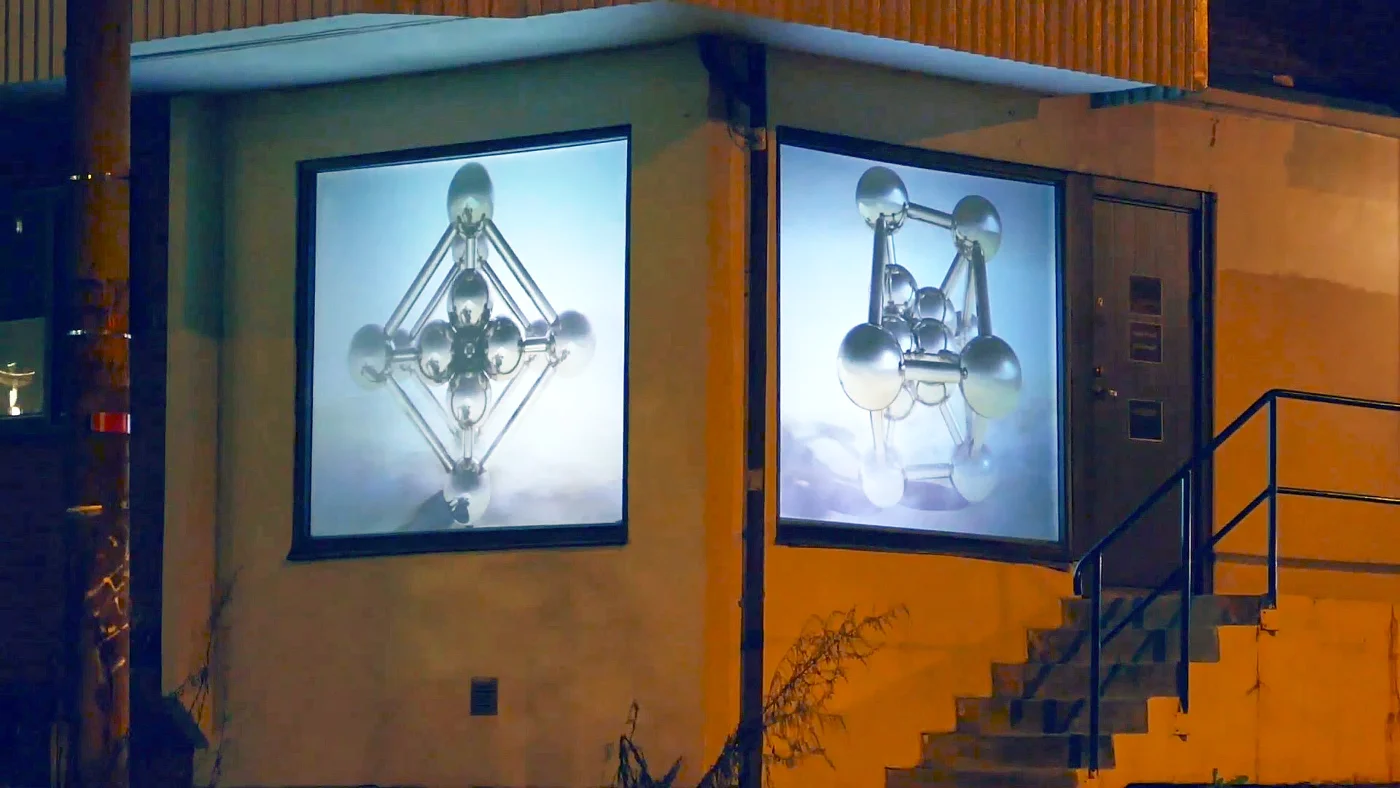
A site-specific synchronized double-screen video installation exhibited in a storefront window at Grefsenveien 30 in Oslo, curated by Atopia. Haraldur applied the mathematical and spatial notion of a Hypercube (a tesseract) into a basic geometrical shape.
Through intense custom image processing, the installation generated a dynamic, continuous flow of light and texture in constant motion. The double-screen video depicted two sides of the object's movement simultaneously, giving the flat digital screens a distinct three-dimensional quality that interacted directly with the passing public.
Curated by Atopia. Grefsenveien 30, Oslo, 2015.
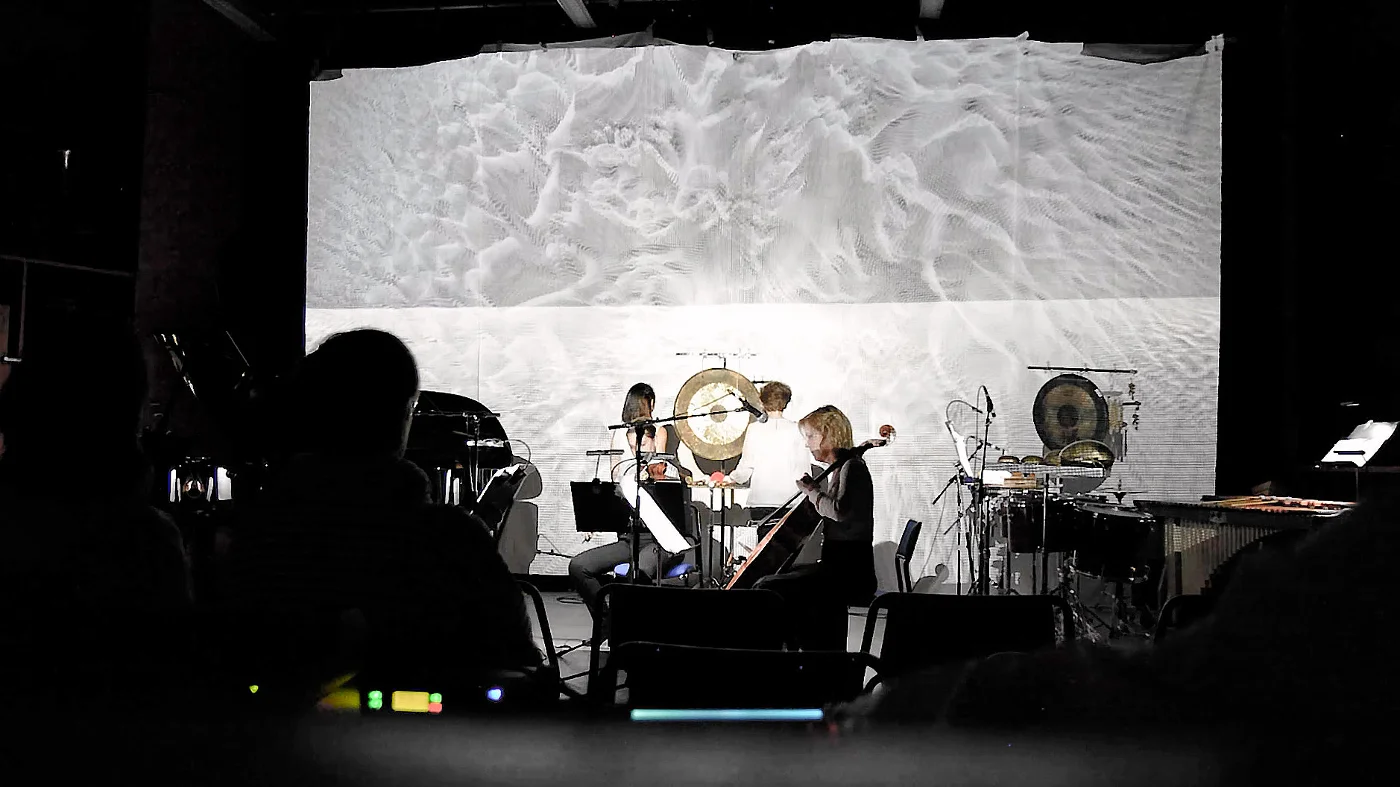
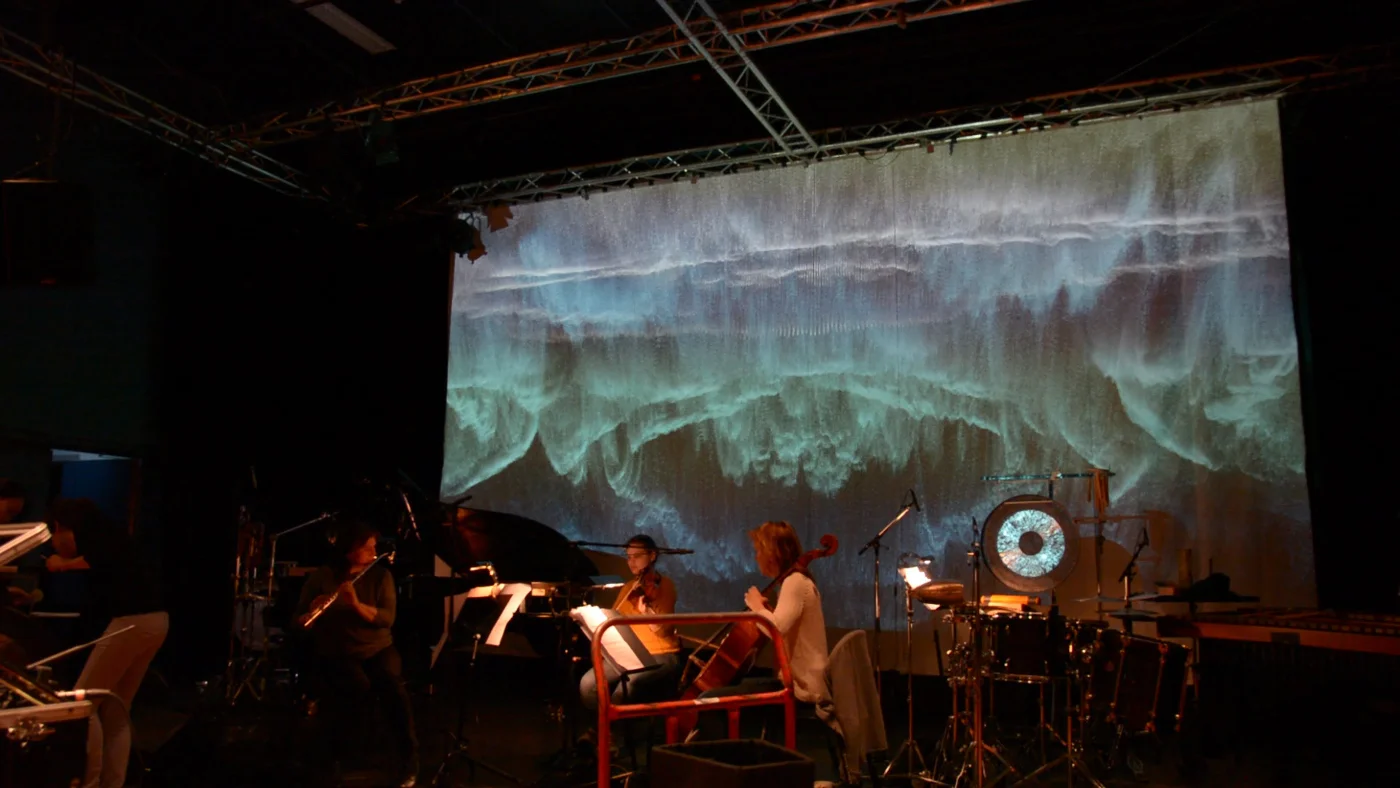
A major commissioned work for the AJO Ensemble's Counterpoint Project, Iceland tour across Norway, Sweden, and Iceland. Rather than playing pre-rendered video, Haraldur engineered custom software using Max/MSP that reacted to selected musical aspects of the live performance — allowing the visuals to be played like an instrument alongside the musicians.
The visual goal was to capture and project both the time and space reflected in the ancient Norse poem Völuspá (Prophecy of the Seeress), featuring both a manual live-mixing mode and a fully autonomous reactive mode.
Hljóðs bið ek — Hearing I Ask. AJO Ensemble / Counterpoint Project, 2014.
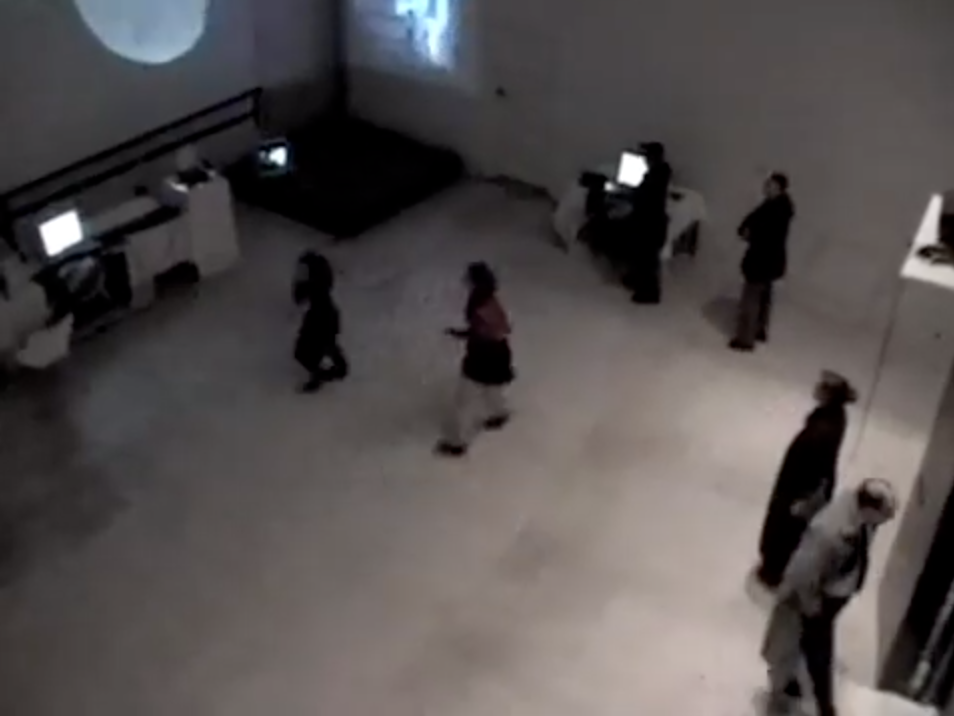
Tímarúm (2002)
Interactive Installation · Reykjavík Art Museum
A room-scale interactive installation at the Reykjavík Art Museum — visitors' movements tracked and translated in real time into a living visual environment investigating time, space, and perceptual presence.
+ Details
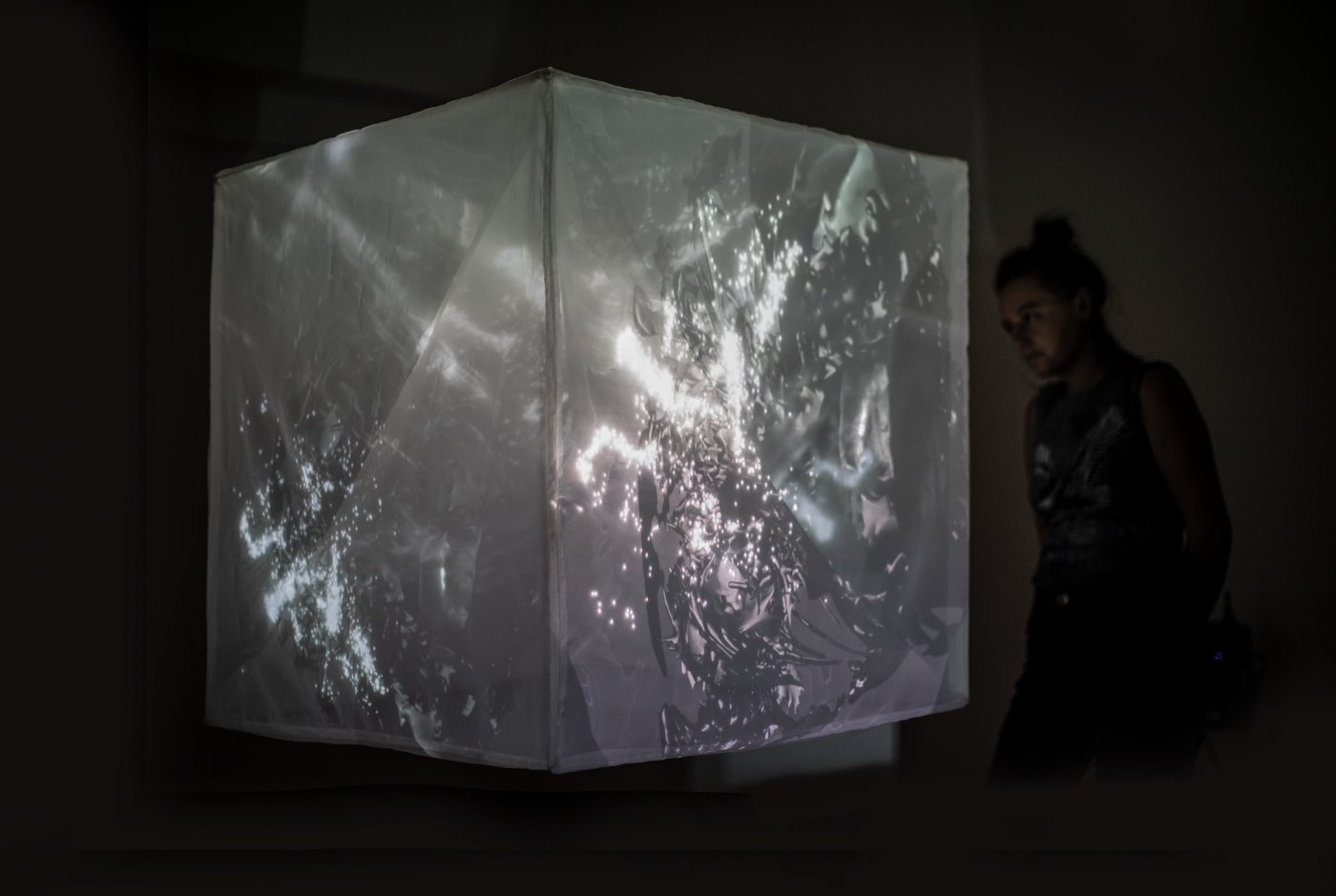
Innards (2022)
Video Sculpture · Vasulka Kitchen, Brno
Triple projection on sculptural surfaces — MRI data transformed into a choreography of light revealing the world beneath human skin.
+ Details
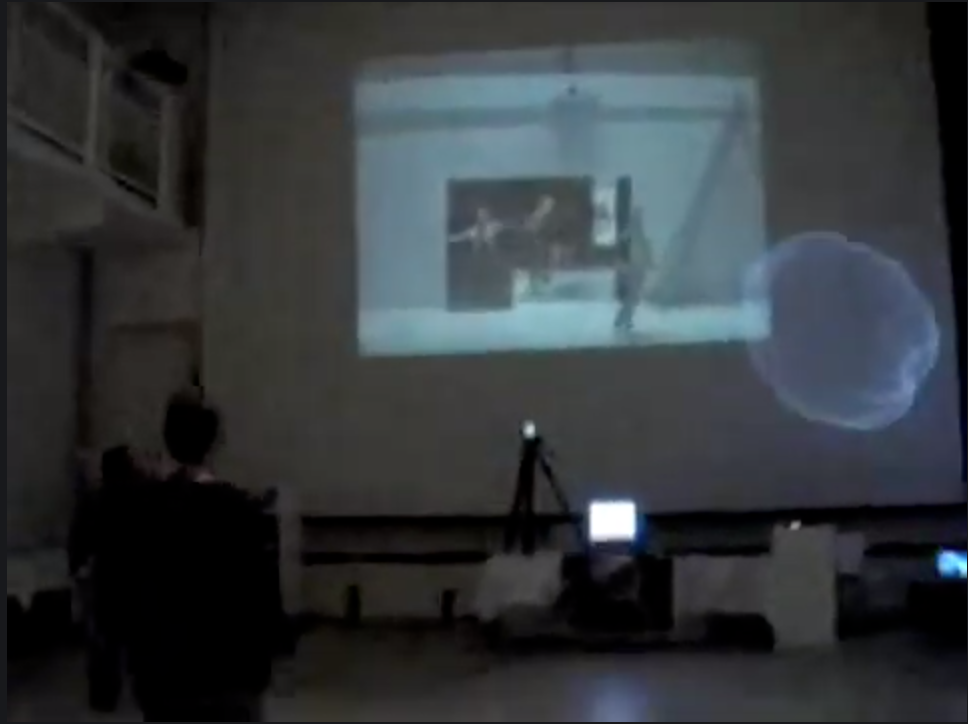
Tímarúm (Time-Space) is a pioneering interactive installation exhibited at the Reykjavík Art Museum, functioning as a real-time audiovisual time machine. Using front and side cameras to track the X and Y spatial movements of the audience, the physical room became a live controller.
The visual environment was driven by two projections: one mapped the audience's movement as a live bump-map onto a 3D sphere, while the other utilized the Image/ine software to constantly record and mix live footage into a continuous 30-minute buffer. Through slow luma-fading and video feedback loops, present spectators would watch themselves merge on the large screen with the 'ghosts' of people who had occupied the space minutes or hours before.
The audio environment, composed by Hilmar and Rikki, directly reacted to the spectators' spatial positions, triggering a custom sampler that layered slow, resonant tones with rapid, localized sonic reactions.
A video sculpture installation rooted in the Brain Project research, embedded with the essence of MRI scans of the human body. The work investigates spaces and non-spaces governed by the choice of thickness visibility from the MRI data.
By adjusting which layers of the scan are made visible, entirely different interior landscapes emerge — cavities, densities, and passages that have no names because no eye was ever meant to see them. A three-dimensional world converted to two dimensions and back again into a constructed dimension.
Utilizing a triple projection on sculptural surfaces, choreographed movements of light and reflections connect to an existing awareness of innards dimensions.
View project →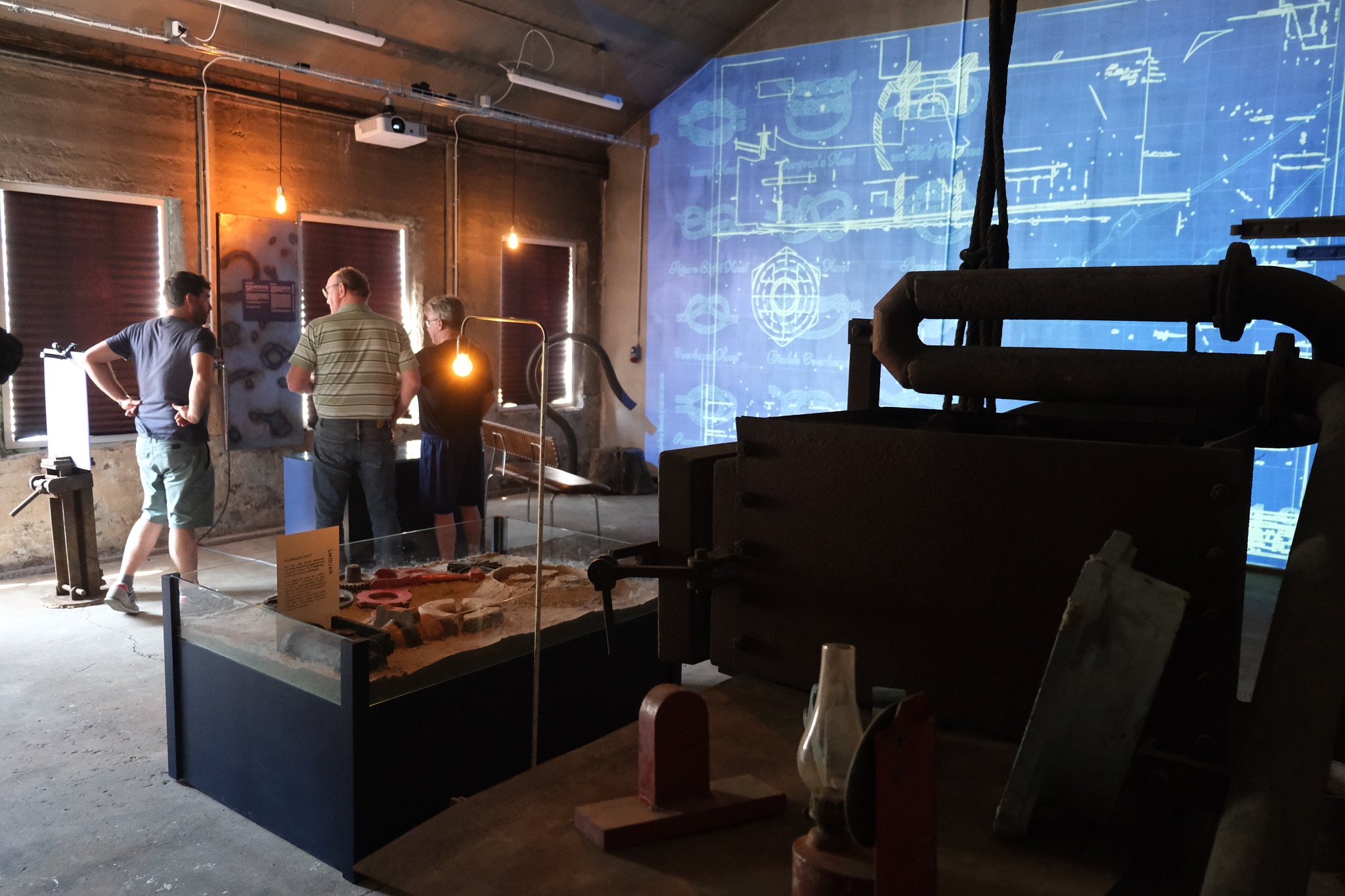
Búðareyri (2023)
Exhibition Design · Technical Museum of East Iceland
Multimedia-driven narrative in a high-hazard zone. Exploring human transformation through video mapping and sensor technology.
+ Details
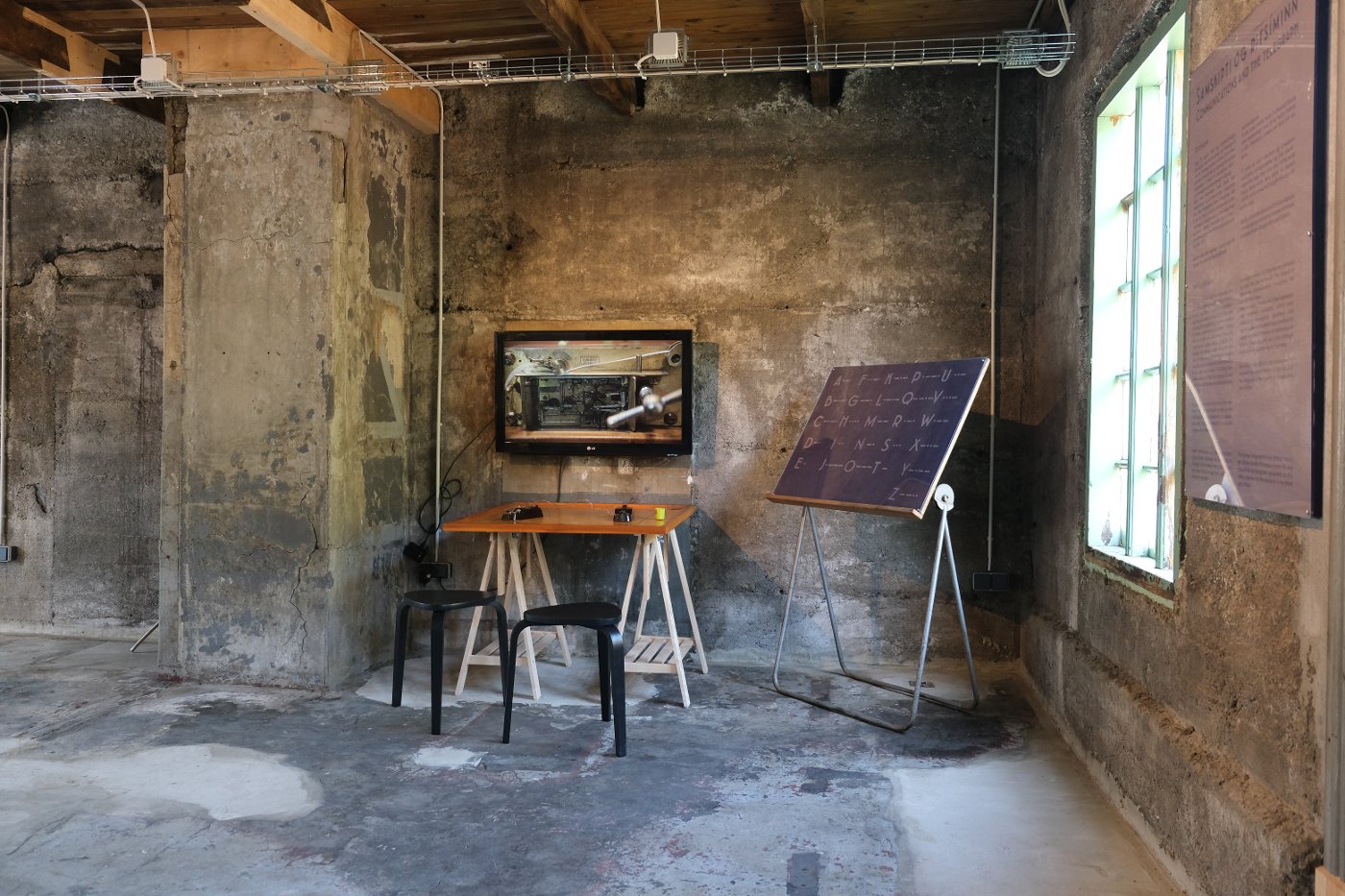
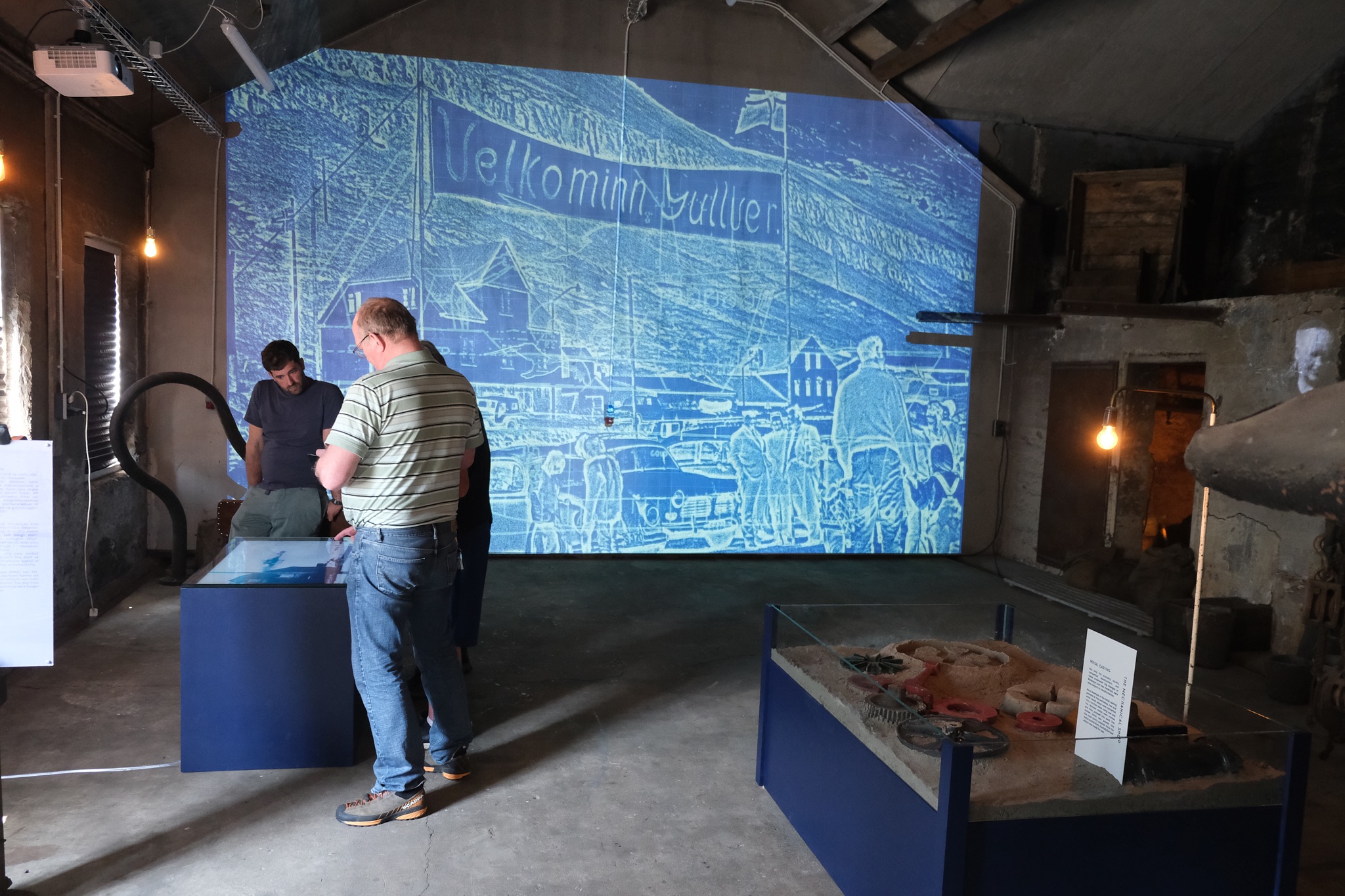
Commissioned by the Technical Museum of East Iceland in Seyðisfjörður. The exhibition space sits in a declared hazard zone (ofanflóðahætta) following the devastating December 2020 landslide that destroyed homes in the town.
No original artifacts could be displayed on-site, requiring a fully multimedia-driven approach: video installations, projection mapping, and sensor technology extending onto the floors and wall remains of destroyed houses.
Synchronized multi-video settings with robust environmental protection for all equipment.